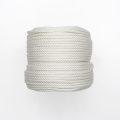
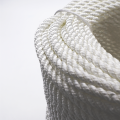
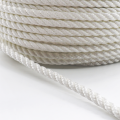
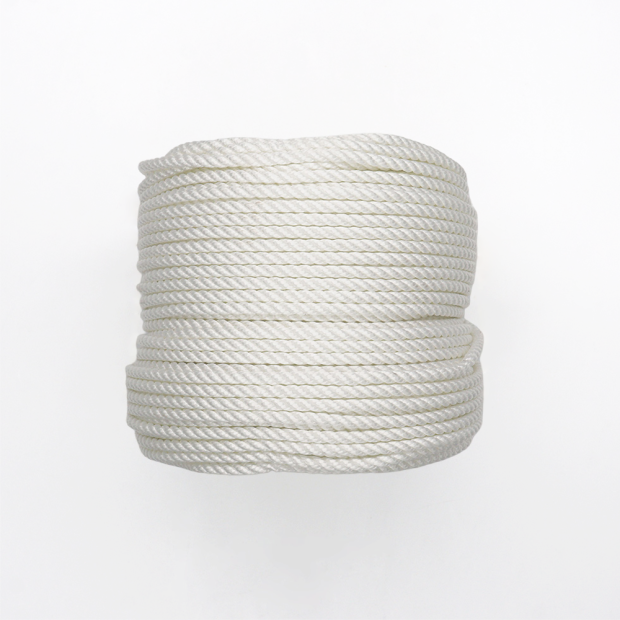
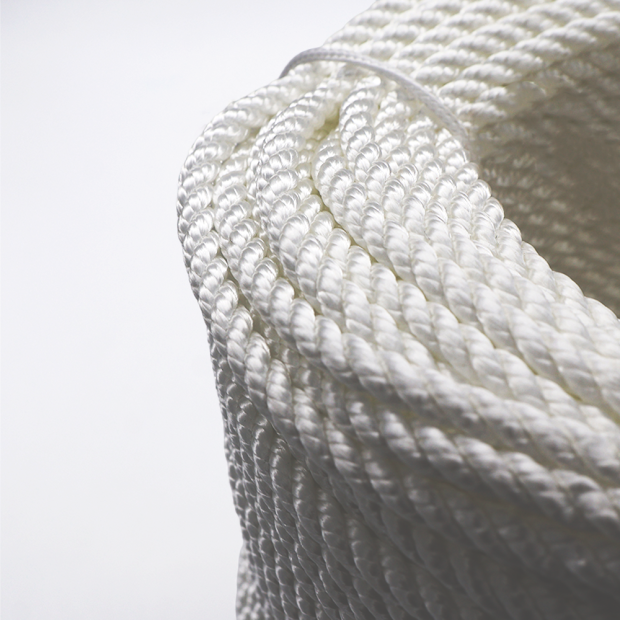
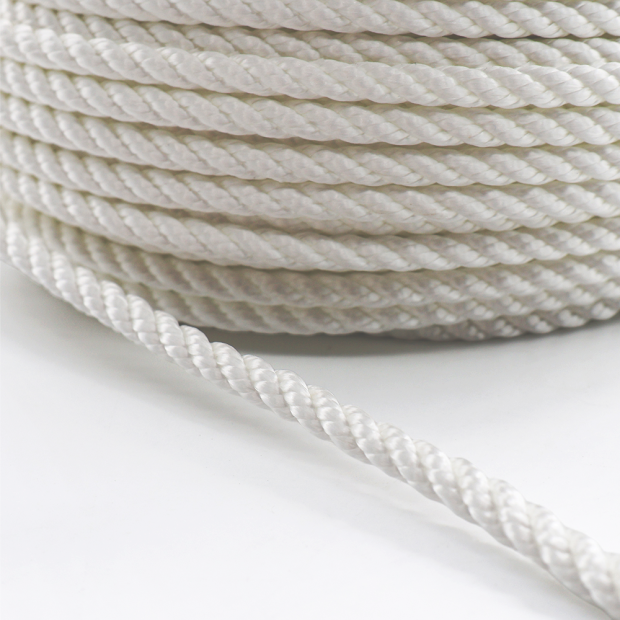
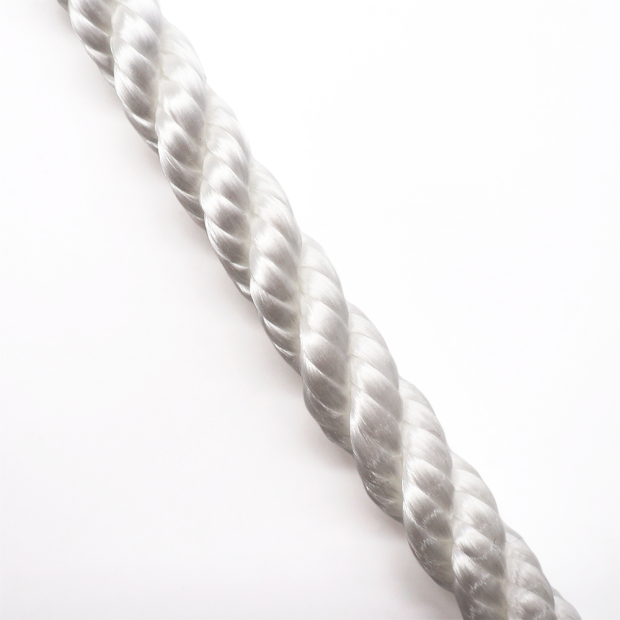
Polyester rope
- Pre-stretched rope
- Multifilament polyester
- Superior quality

Designed for marine, technical and decorative applications, our three-strand polyester rope is made from polyester multifilaments. It offers excellent mechanical strength, great flexibility and optimal durability, including for long-term outdoor exposure.
- 100% polyester
- Three-strand multifilament rope
- High breaking strength
- Very good abrasion resistance
- Rot-proof and water-repellent
- Made in France
Composition:
- 100% polyester multifilament
- Construction: three strands
Splicing:
- Easy to splice, very flexible rope
Use:
- Mooring
- Towing
- Lashing
- Rigging
- Decoration: stair handrail
Resistance:
- High breaking strength
- Very good abrasion resistance
- Good resistance to acids
- Rot-proof
- Water-repellent
- Density: 1.30
- High elongation: 15 to 20%
- Good UV resistance
- Heat resistance: from -40 °C to 260 °C
- Can be cut with heat
Diameter details:
| Diameter (mm) | Breaking load (daN) | Length |
| 6 | 700 | By the meter / 100 m coil |
| 8 | 1 260 | By the meter / 100 m coil |
| 12 | 2 800 | By the meter / 100 m coil |
| 16 | 5 000 | By the meter / 100 m coil |
| 20 | 7 900 | By the meter / 100 m coil |
| 24 | 11 600 | By the meter / 100 m coil |
| 30 | 17 300 | By the meter / 100 m coil |
Other diameters available on request.
- Polypropylene
- Textured polypropylene (synthetic hemp)
- Polyester
- Nylon (Polyamide)
- Polyethylene
- Steel
- Latex
 Anti UV treatment
To stay intact in the face of prolonged exposure to the sun, our synthetics are treated to resist UV.
 Better resistance to weather
Rain, snow, sea water... Our synthetic ropes are designed to last in the face of moisture and corrosion.
 Longer life
The synthetic rope is suitable for long-term decoration of your exterior. You can choose the synthetic hemp rope for a natural effect guaranteed.
A handrail rope can be installed in different ways depending on the desired look and the accessories you choose.
1. Select the right accessories for your project
Start by selecting end fittings and rings that are compatible with the diameter of your rope and match the style you are looking for.
- For the ends of the handrail, you can choose from different types of end fittings: standard end fitting, end fitting with hook, wall-mounted end fitting, or end fitting with snap hook.
- Along the staircase, wall rings guide and support the rope. We generally recommend installing 1 ring every 80 cm. This spacing creates a slight curve in the rope.
- If your staircase has an angle or turn, use our rings specially designed for corners at 90°, for inside and/or outside corners.
2. Position the rope at the correct height
Position your handrail at a height that provides a natural and comfortable grip throughout the staircase. Mark the location of the different fixing points before drilling.
3. Fix the accessories to the wall
The rings and end fittings must be fixed to a strong and secure surface, such as wood or concrete. Do not fix the accessories directly to plasterboard: the fixing could pull out under pressure and would not ensure safe use of the handrail.
Our accessories are supplied with suitable fixing screws for installation.
4. Cut and secure the rope
Once the rope is positioned through the rings and inside the end fittings, tighten the grub screws. As they are tightened, they penetrate the rope and hold it firmly in position.
The end of the rope may sometimes swell slightly, making it difficult to insert into the end fitting or ring. If this happens, wrap it tightly with electrical tape before cutting it, then insert it into the end fitting. This will give you a more compact end that is easier to fit.
For outdoor installation, we recommend using:
- Ropes that are both twisted for a comfortable grip and synthetic for resistance to moisture and UV rays. Synthetic hemp rope and polyester rope are generally preferred.
- Stainless steel fixing accessories, which will not rust, unlike nickel-plated steel accessories, for example.
Polyester ropes have excellent abrasion resistance, very good knot holding and low elongation.
Polyester rope is water repellent and do not lose their strength when wet. It is non-floating. It is resistant to moisture.
Density: 1.38
Polyester has excellent UV resistance. It is ideal for long-term outdoor exposure.
Polyester fiber is resistant to mites, bacteria, mold, mineral and organic acids, oxidants and diluted alkalis.
It is sensitive to strong alkalis, some phenols, benzyl acetate and nitrobenzene.
The thermal properties of polyester ropes are as follows:
- Critical temperature: ± 180°C
- Melting temperature: ± 260°C
- Smell of hot oil with flame, black smoke
- Flame-retardant
A Garcette (lashing line) is a small synthetic rope with a diameter generally less than 5mm used to do all kinds of small work on a ship.
A halyard is used to hoist a sail to the top of the mast, while a sheet is used to adjust its angle relative to the wind.
It is the sheet that allows you to control the boom and trim the sail to gain or reduce speed.
Dyneema® is the benchmark technical fiber for halyards and sheets. Both very lightweight and extremely strong, it stands out for its near-zero stretch, ensuring precise and consistent trimming over time.
Long reserved for high-performance sailing, it is now widely used on demanding cruising boats. Its higher cost is justified by its performance and durability.
More accessible, polyester is the most commonly used material on cruising boats, valued for its versatility. It performs well under constant load and offers good resistance to UV and seawater. However, it does have some stretch, making it a good compromise between strength, durability, and flexibility.
Polyamide (nylon), a stiffer and more elastic material, is generally reserved for mooring and anchoring lines
Which materials ?
- Polyamide (nylon) is the most suitable fiber for mooring lines. Highly elastic and resistant to abrasion, it effectively absorbs shocks caused by the boat’s movements. Its UV resistance is, however, slightly lower than that of polyester.
- Polyester is a durable alternative, known for its excellent resistance to UV and abrasion. Its lower elongation makes it less effective at absorbing shocks, but more suitable for stable mooring lines.
- Polyethylene, thanks to its floating properties, is useful for specific applications such as buoy pick-ups, temporary moorings or areas with propeller risk.
Three-strand or braided mooring line?
- Three-strand: more rigid, it is mainly appreciated for its ease of splicing, ideal for making loops or custom mooring lines.
- Braided: more flexible and comfortable to handle, it offers better comfort when maneuvers are frequent.
What length? What diameter?
- Diameter: boat length (in meters) + 4. Example: 6 m boat → recommended diameter: 10 mm
- Length: choose mooring lines measuring 2 to 3 times the length of the boat to maintain flexibility and effectively absorb loads.
Polyamide (nylon) and polyester fibers are the most commonly used in boating. Both offer good resistance to UV, salt and marine conditions.
- Polyamide (nylon) is particularly recommended for mooring lines. Highly elastic, it effectively absorbs shocks, but may stretch and slightly lose strength when wet.
- Polyester, more stable, is a versatile fiber used for mooring lines as well as halyards and sheets. It has excellent resistance to UV and abrasion, with lower elongation.
- Polyethylene, lightweight and floating, is mainly intended for specific uses such as buoy pick-ups or temporary moorings.
- Hemp, historically used on traditional rigs, is now appreciated for its authentic look, although it is less suited to intensive use in a marine environment.
Which materials ?
- Polyamide (nylon) is the most suitable fiber for mooring lines. Highly elastic and resistant to abrasion, it effectively absorbs shocks caused by the boat’s movements. Its UV resistance is, however, slightly lower than that of polyester.
- Polyester is a durable alternative, known for its excellent resistance to UV and abrasion. Its lower elongation makes it less effective at absorbing shocks, but more suitable for stable mooring lines.
- Polyethylene, thanks to its floating properties, is useful for specific applications such as buoy pick-ups, temporary moorings or areas with propeller risk.
Three-strand or braided mooring line?
- Three-strand: more rigid, it is mainly appreciated for its ease of splicing, ideal for making loops or custom mooring lines.
- Braided: more flexible and comfortable to handle, it offers better comfort when maneuvers are frequent.
What length? What diameter?
- Diameter: boat length (in meters) + 4. Example: 6 m boat → recommended diameter: 10 mm
- Length: choose mooring lines measuring 2 to 3 times the length of the boat to maintain flexibility and effectively absorb loads.
Customer review

Super rendu
Très bonne qualité du produit
You will also like
Nylon rope
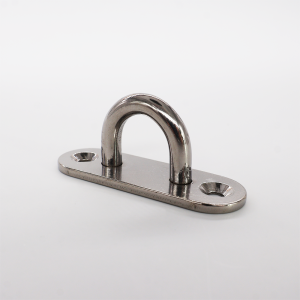
Oblong platinum bridge - Stainless steel
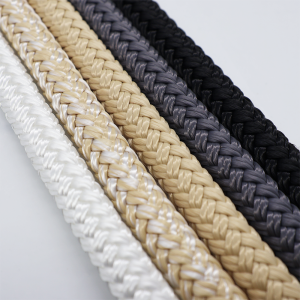
Polyester braid - Braided core
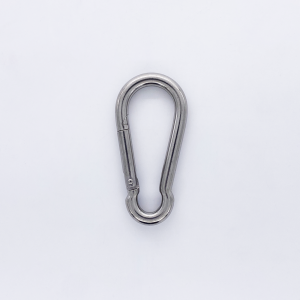
Snap hook - Stainless steel
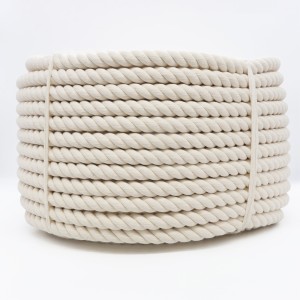
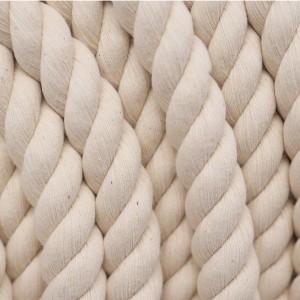
Organic cotton rope
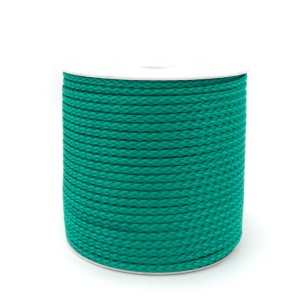
Hollow braid polypropylene cord
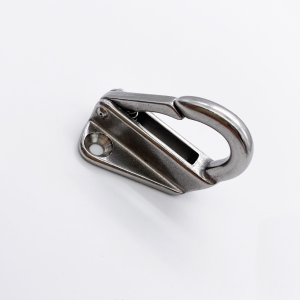
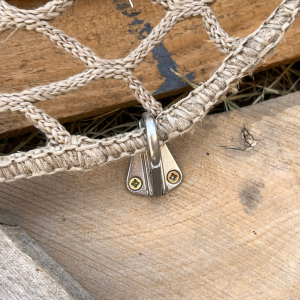
Stainless steel carabiner with plate - For net
Braided cotton cord piping

Splicing on demand

Polyethylene rope
Flame retardant net
Synthetic hemp rope
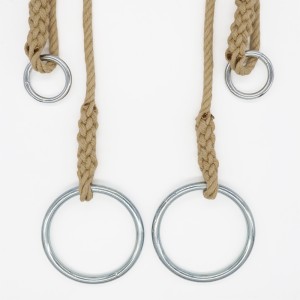
Rope gymnastic ring
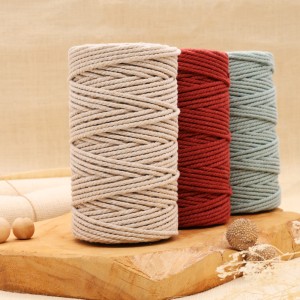
Macrame cotton rope - FR
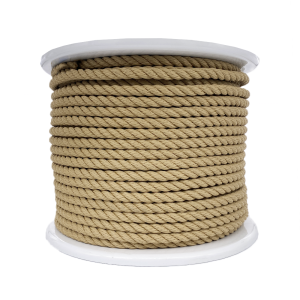
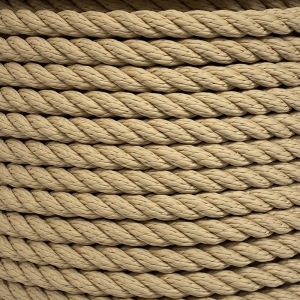
Polyester thermofixed rope
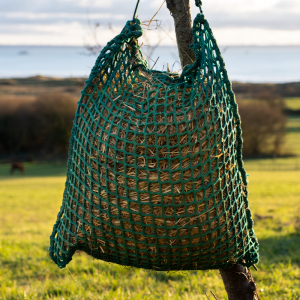

Hay net - Bag
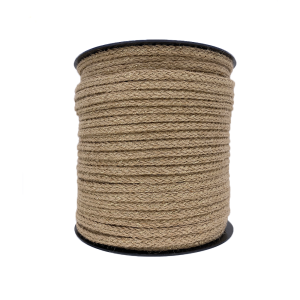
Jute braided rope
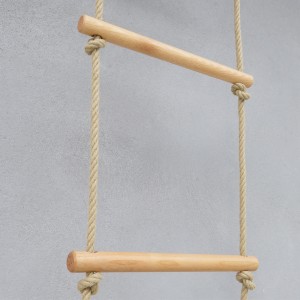
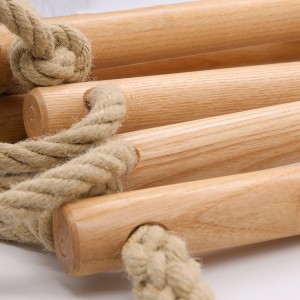
Wooden rope ladder
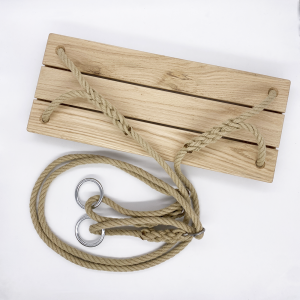
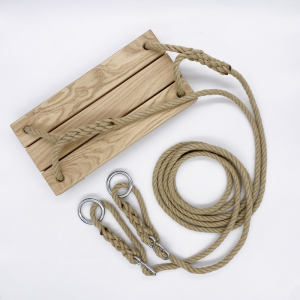
Wooden swing
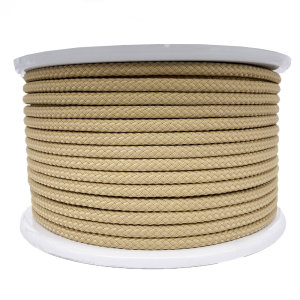
Polyester thermofixed braided rope
On the blog
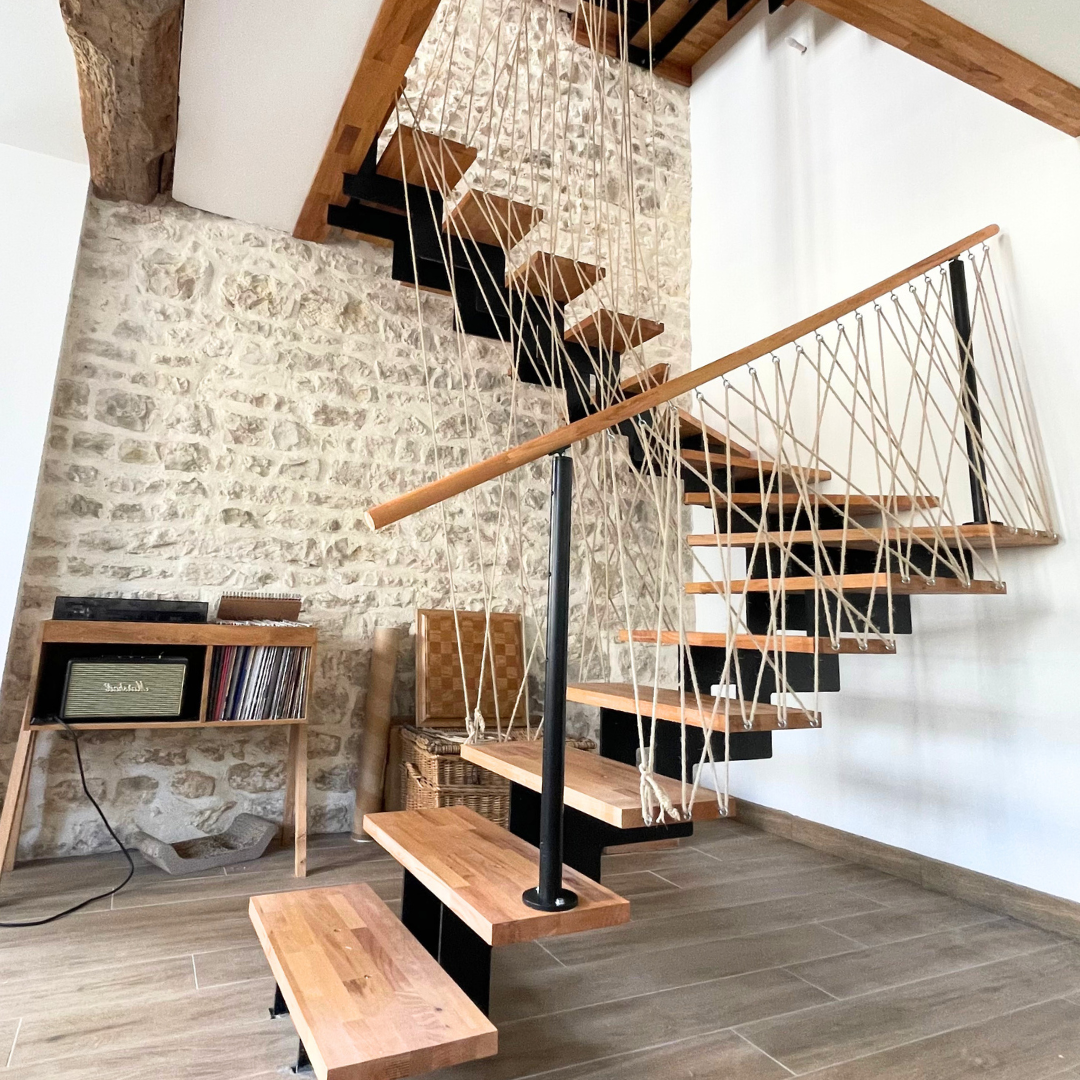
Relooker et sécuriser son escalier avec de la corde
Comment utiliser la corde pour aménager un escalier en toute sécurité.