


Polyester braid - Braided core
Choose the desired length:
100 m: one full 100-meter spool
By the meter: custom length, in one continuous piece (available from 6mm to 12mm) If you order a quantity of 5, you will receive 1 rope measuring 5m.
Pre-cut 1m piece for securing a net: **only in 5mm** If you order a quantity of 5, you will receive 5 ropes measuring 1m each.

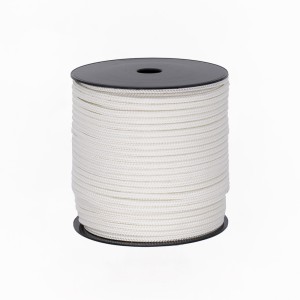
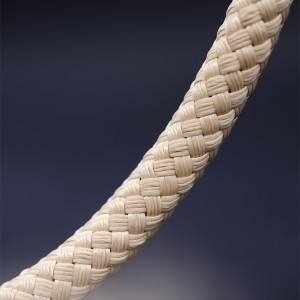
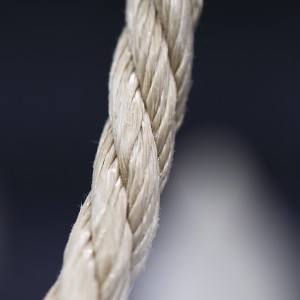
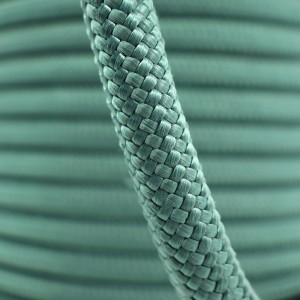
This pre-stretched polyester braid is round and flexible, with a highly appreciated textile feel. It is UV-treated and ideal for both indoor and outdoor use. Its braided core gives it extremely low stretch. Made in France.
If you're looking for braids for equestrian ethology lead ropes and halters, click here!
Uses:
- Splicing
- Tent setup
- Theater
- Marine
- Decoration
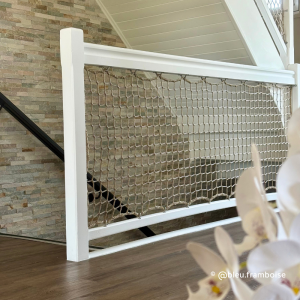
- Securing mezzanine nets and guardrail nets
Advantages:
- Multifilament with a textile feel
- Pre-stretched
- Ideal for making splices
- UV-treated
- Moisture-resistant
- Rot-proof
- Flexible
- Very durable outdoors over the long term
- Withstands prolonged soaking in fresh or seawater
- Remains flexible in water
- Does not float
- Superior quality
- Made in France
Diameter details:
| Weight / 100 m | Breaking strength | |
| 5 mm | 1,6 kg | 430 kg |
| 6 mm | 2,8 kg | 540 kg |
| 7 mm | 4 kg | 820 kg |
| 8 mm | 6 kg | 1 150 kg |
| 10 mm | 7,8 kg | 1 700 kg |
| 12 mm | 9 kg | 2 300 kg |
What is the core of a braid?
The core of a braid is the cord inside the sheath that makes it round and reinforced. Separate from the outer sheath, it can be removed by hand. The core can be braided or parallel-laid.
- Parallel-laid core: a core made up of aligned strands. Cannot be spliced.
- Braided core: a core made up of braided strands. A braid with a braided core is also known as a “double braid.” Can be spliced.
- A braid without a core is called “hollow.”
- Polypropylene
- Textured polypropylene (synthetic hemp)
- Polyester
- Nylon (Polyamide)
- Polyethylene
- Steel
- Latex
 Anti UV treatment
To stay intact in the face of prolonged exposure to the sun, our synthetics are treated to resist UV.
 Better resistance to weather
Rain, snow, sea water... Our synthetic ropes are designed to last in the face of moisture and corrosion.
 Longer life
The synthetic rope is suitable for long-term decoration of your exterior. You can choose the synthetic hemp rope for a natural effect guaranteed.
Polyester ropes have excellent abrasion resistance, very good knot holding and low elongation.
Polyester rope is water repellent and do not lose their strength when wet. It is non-floating. It is resistant to moisture.
Density: 1.38
Polyester has excellent UV resistance. It is ideal for long-term outdoor exposure.
Polyester fiber is resistant to mites, bacteria, mold, mineral and organic acids, oxidants and diluted alkalis.
It is sensitive to strong alkalis, some phenols, benzyl acetate and nitrobenzene.
The thermal properties of polyester ropes are as follows:
- Critical temperature: ± 180°C
- Melting temperature: ± 260°C
- Smell of hot oil with flame, black smoke
- Flame-retardant
Historically, "halyard" is the maritime name for a braided rope generally used to hoist a barge, horn or sail.
A pre-stretched cord has undergone a factory pre-stretch process to greatly limit its elongation during use.
Thermofixing is a pre-stretch performed at 100°C to improve compaction and stabilization of the fibers. This process improves the mechanical properties and life of a rope. It is reserved for high-end ropes for demanding uses.
A halyard is used to hoist a sail to the top of the mast, while a sheet is used to adjust its angle relative to the wind.
It is the sheet that allows you to control the boom and trim the sail to gain or reduce speed.
Dyneema® is the benchmark technical fiber for halyards and sheets. Both very lightweight and extremely strong, it stands out for its near-zero stretch, ensuring precise and consistent trimming over time.
Long reserved for high-performance sailing, it is now widely used on demanding cruising boats. Its higher cost is justified by its performance and durability.
More accessible, polyester is the most commonly used material on cruising boats, valued for its versatility. It performs well under constant load and offers good resistance to UV and seawater. However, it does have some stretch, making it a good compromise between strength, durability, and flexibility.
Polyamide (nylon), a stiffer and more elastic material, is generally reserved for mooring and anchoring lines
Related products
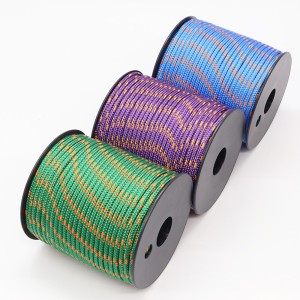
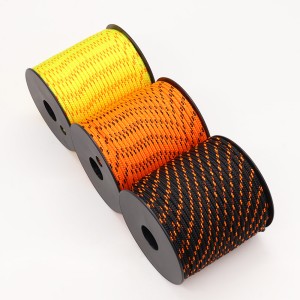
Polyester bicolor line
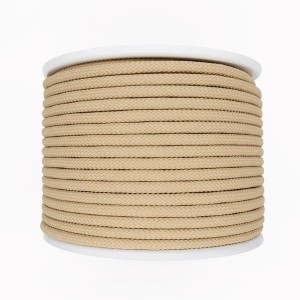
Dyneema hollow braid
You will also like
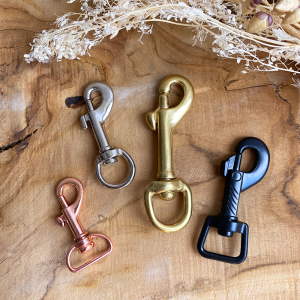
Snap hook


Panic snap for horse
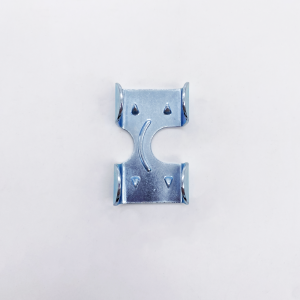
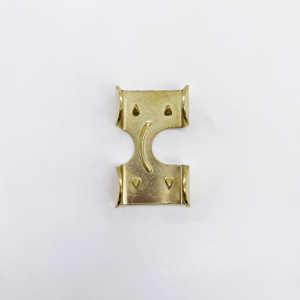
Double cord crimp
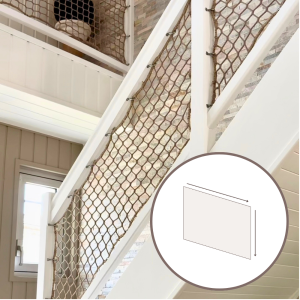
Stair net – Parallelogram
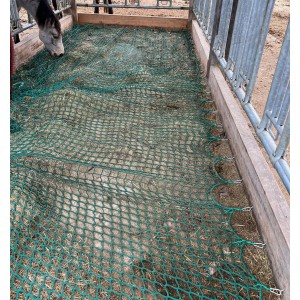
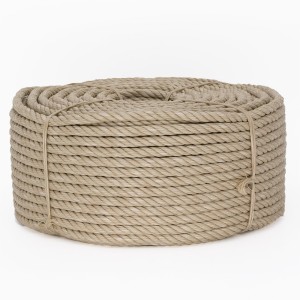
Polypropylene rope

Webbing cam buckle strap
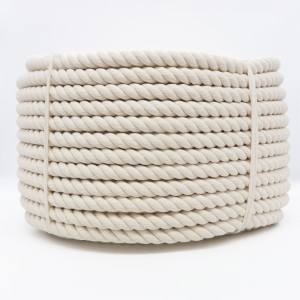
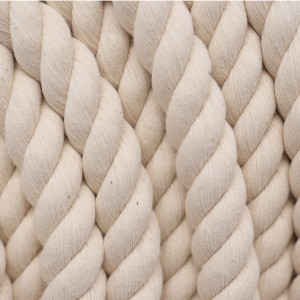
Organic cotton rope
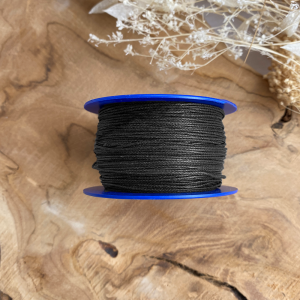
Waxed cotton cord

Trampoline net - Catana 431


Single pulley
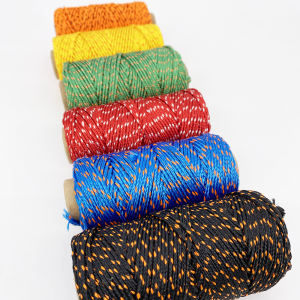
Garcette polyester bicolore ***DESTOCKAGE***
On the blog

Quelle corde choisir pour l’extérieur ?
Terrasse, jardin, escalier : nos conseils pour choisir la structure et la matière adaptées

Comment installer un filet de mezzanine ?
Deux méthodes de pose détaillées : le double laçage et le point par point.

Le filet garde-corps : sécuriser les espaces avec style
Le filet garde-corps investit nos maisons et nos jardins ! Pour quel projet l’adopter ? Comment l’installer chez soi ?
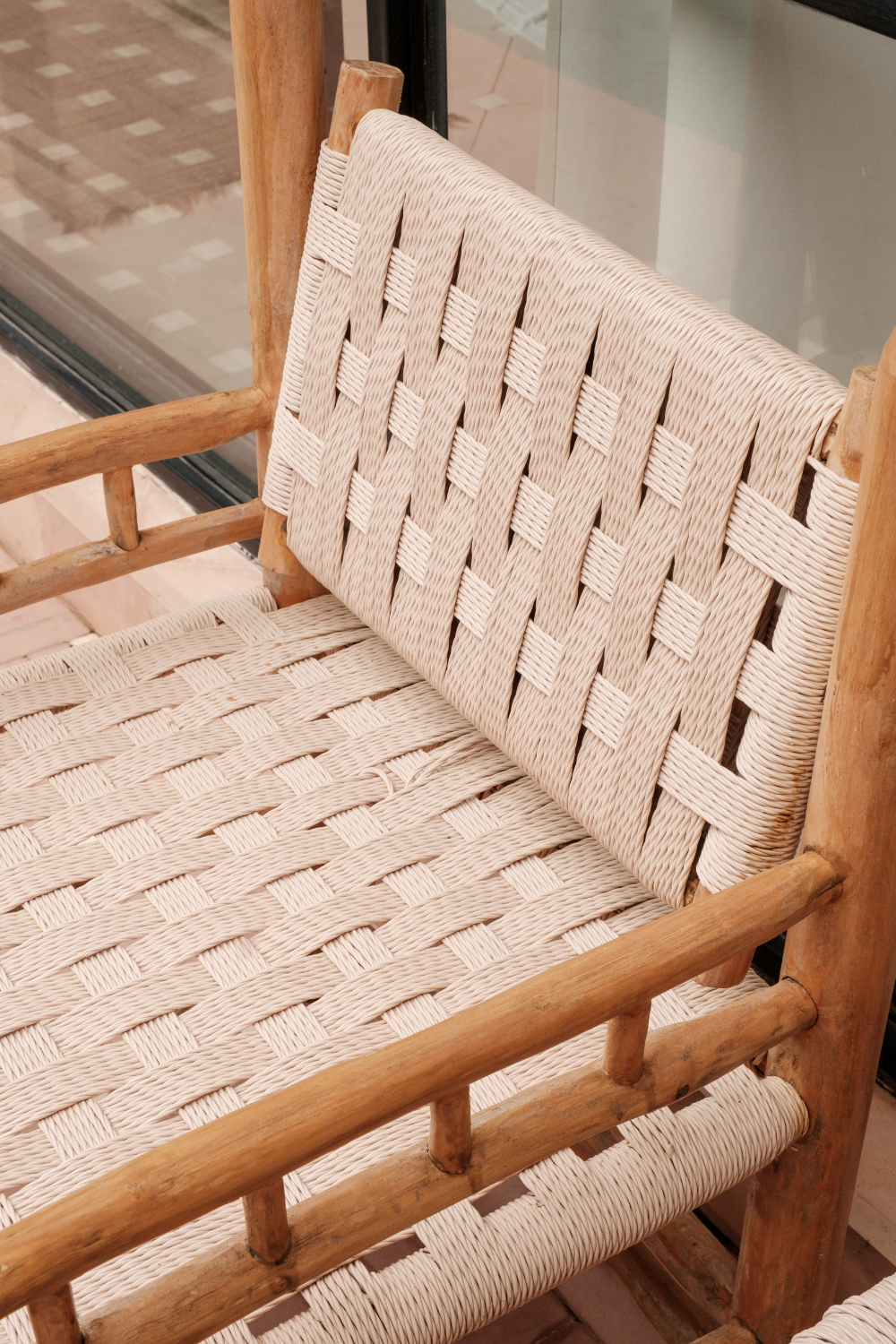
Upcycling : 4 idées de DIY pour relooker vos chaises avec de la corde
Et si vous optiez pour le (re)tissage ! Voici quelques idées de projets DIY pour vous inspirer :