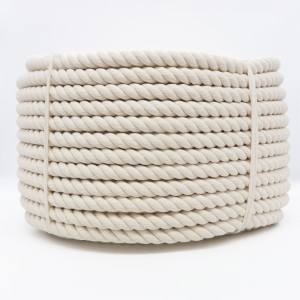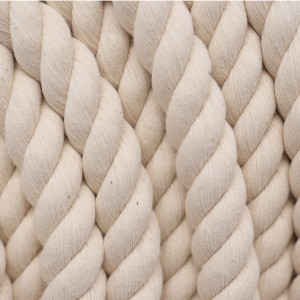
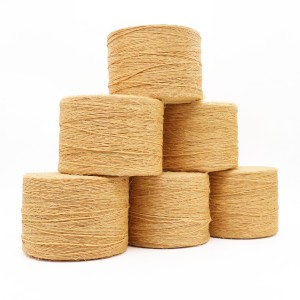
We offer two types of type 200 agricultural sisal twine for medium-density balers:
- untreated, rodent-resistant twine
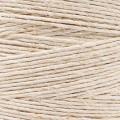
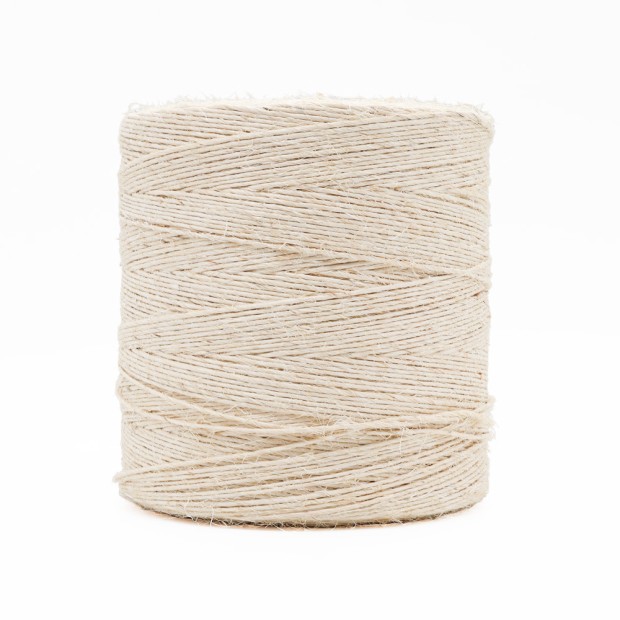
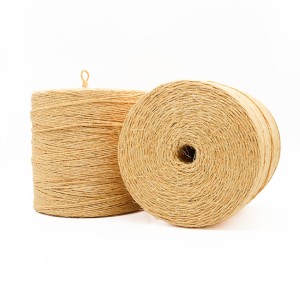
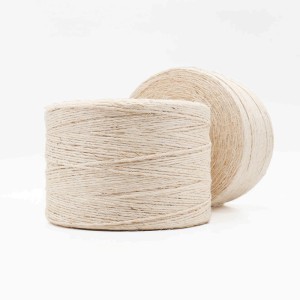
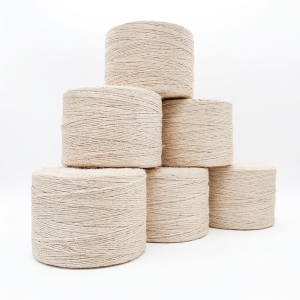
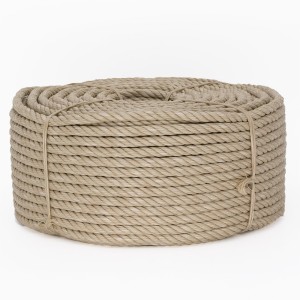
Untreated Type 200 Agricultural Sisal Twine for medium-density balers or organic farming.
- rodent-resistant, oiled twine
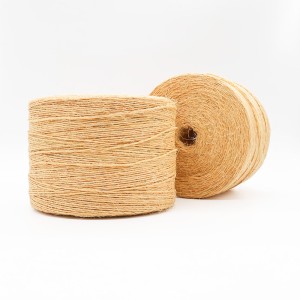
Treated Type 200 Agricultural Sisal Twine for medium-density balers.
Packaging:
- Sold as: 1 (+/- 9kg) or 2 balls (+/- 18kg)
- Other quantities available on request
- 60 bags / pallet
- Pallet weight: 1080 kg
Specifications:
- Weight of a bag containing 2 balls: +/- 18 kg
- Weight of one ball: +/- 9 kg
- +/- 180 metres / kg
- Breaking strength: 110kg / ML
- « Straw yellow » for the untreated twine and « orange » for the treated twine
- Standard reference 200, which can replace references 175, 185, 220
- Please check the size of the twine compartment before ordering
- Make an adjustment and /ou remove some thickness to adapt our reference to your baler
- Complies with ISO 5080 – Sisal agricultural twine
- Treated: Oil treatment against moisture and rodents
- Untreated: no treatment
- Sisal has a tolerance of +/- 10%
Dimensions:
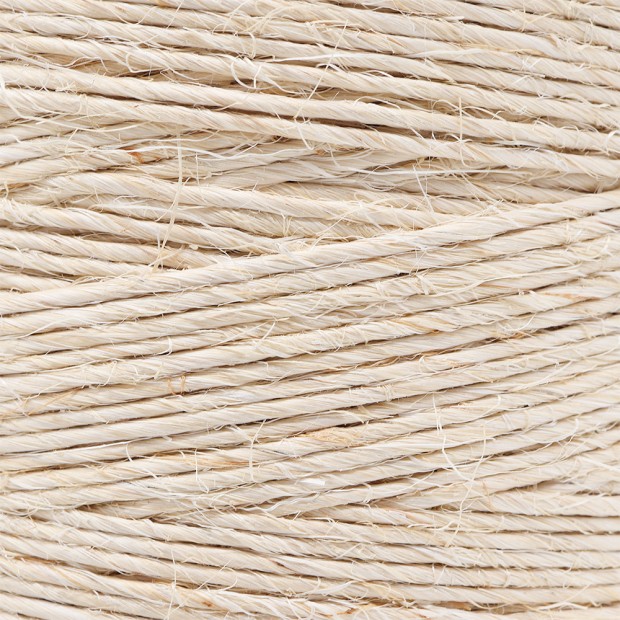
- Twine diameter: +/- 0,3 cm
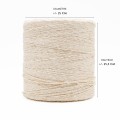
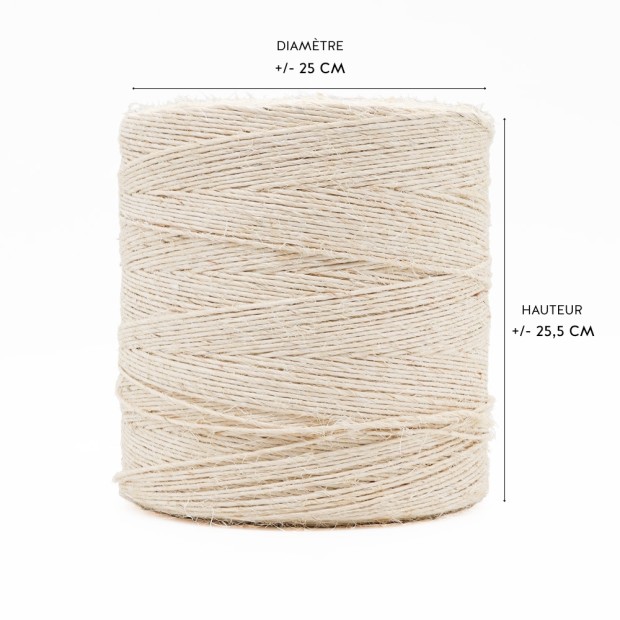
- Roll diameter: +/- 25 cm
- Roll height: +/- 25,5 cm
Uses:
- For medium-density balers
- Farming, gardening, horticulture
Advantages:
- Permanent stock
- Quality recognised by distributors
- Breaking strength meets standards
- Natural, biodegradable
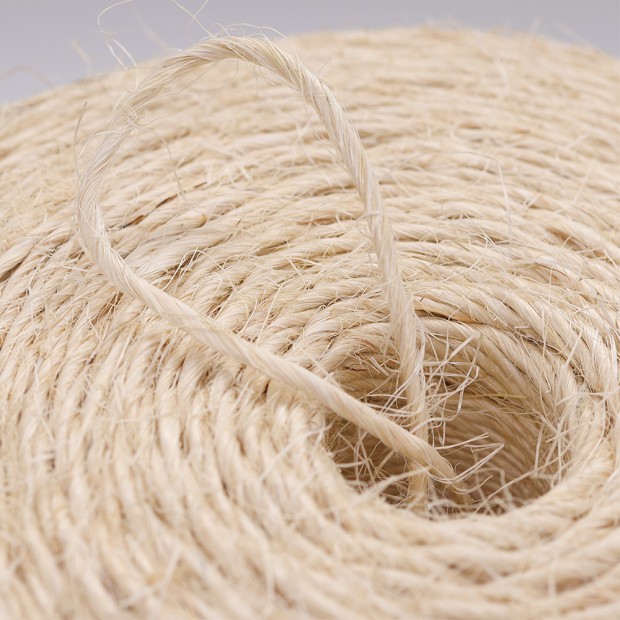
- Selected long fibres, a mark of quality
- Ensures strong twine
- Safe for livestock feed
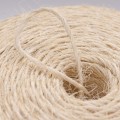
- Unwinds from the inside of the ball, with a label indicating which end to pull
- Environmentally friendly: made exclusively from natural fibres, sisal twine helps limit the environmental impact of its use
Tips:
- Equivalencies: agricultural sisal twine is thicker than agricultural plastic twine
- Storage: store the twine upright on a pallet in the correct orientation and do not drop it, to prevent abrasion.
- Store in a cool, dry place, away from dust and moisture
- To ensure the baler works properly, clean the knotters regularly. This helps prevent dust and oil residue from building up and clogging the knotting mechanism.
- Type 200 agricultural sisal twine is slightly thicker than 220 and thinner than 175 and 185! An adjustment may be all that is needed for use.
- Check the diameter and height of your compartments. If the twine roll is thicker, some twine will need to be removed to make it fit.
Notes:
- Some balers can use this sisal twine with adjustments.
- We reassure all our traditionalist customers that our agricultural sisal twine is kept in stock and can be delivered within 24/48 hours
- Most farmers have switched to 350 polypropylene twine (plastic material), which is stronger and costs less per kilo
- On the first medium-density balers, a few modifications had to be made to allow the machine to switch from sisal to synthetic twine. The all-twine billhooks subsequently solved this problem
The untreated sisal twine is 100% natural. It is suitable for traditional uses and organic farming.
The treated sisal twine benefits from an anti-rodent and moisture-resistant treatment (oiled), which improves its durability and resistance.
- Twine 200 and 220: medium-density balers.
- Twine 330 and 370: for low-density balers, baling and tying machines (Garnier 836 - Rivierre Casalis - Coccinelle - Someca m03...)
Related products
You will also like
Synthetic hemp rope
Polyamide Braid ***OUTLET***
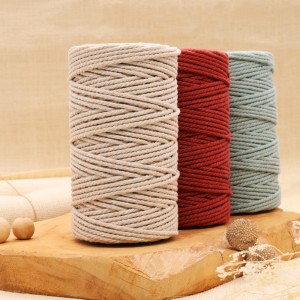
Macrame cotton rope - FR
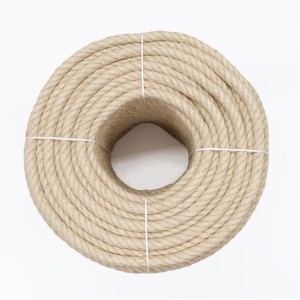
Unpolished hemp rope
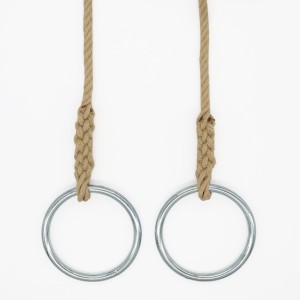
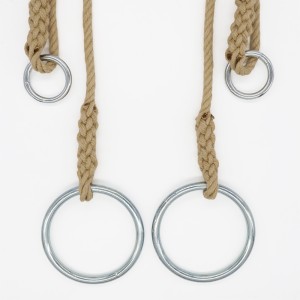
Rope gymnastic ring
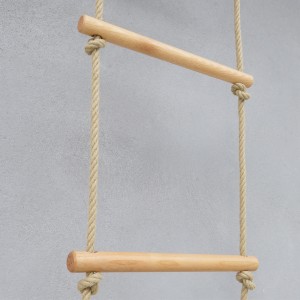
Wooden rope ladder
Coloured hemp rope
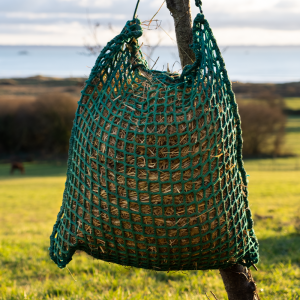

Hay net - Bag
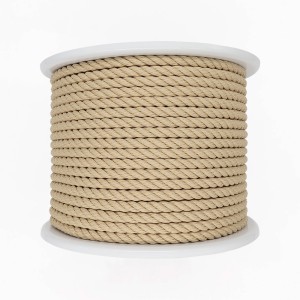
Polyester thermofixed rope
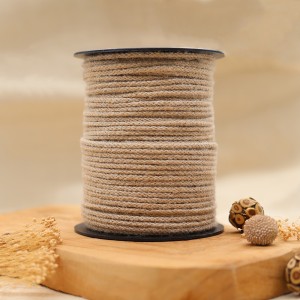
Jute braided rope
Wooden swing
Jute twine

Polyester rope
Polished hemp rope
Polypropylene rope