
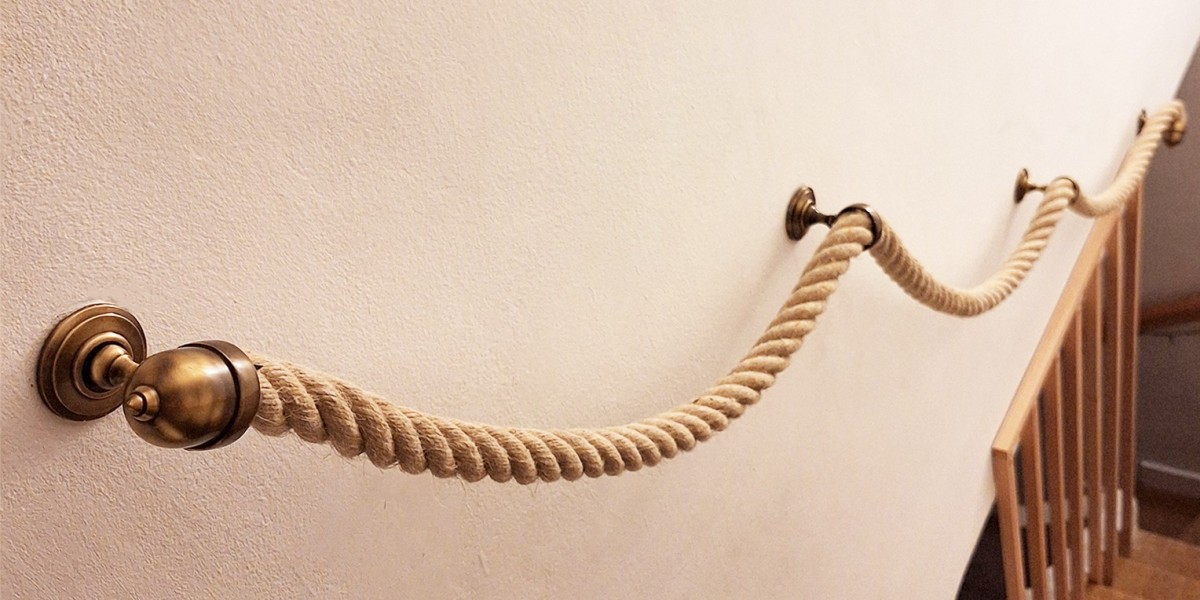
Handrail ropes
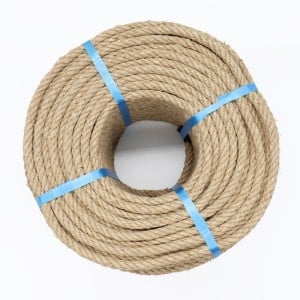
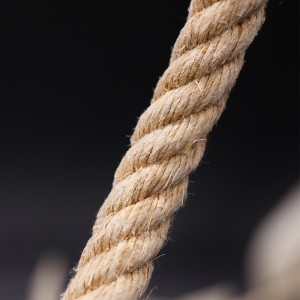
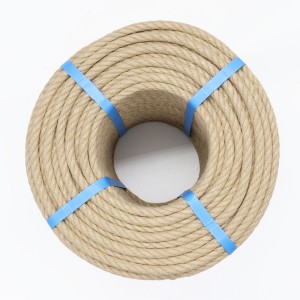
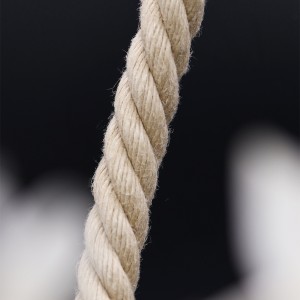
Our selection of ropes is available in natural hemp, synthetic hemp and polyester: three strong, durable and easy-to-maintain materials.
- Recommended diameters: 26, 28, 32, 36 or 40 mm for hemp ropes, and 30 mm for polyester ropes. These sizes are compatible with our end caps and wall rings.
- Recommended length: allow approximately 10% more than the length of the wall to achieve an elegant drape.

Fixing accessories
For a secure installation and a neat finish, choose your wall rings, end fittings, or wall mounts according to your staircase configuration (angle, long wall, etc.).
Our recommendations:
- Allow for 1 wall ring every 80 cm.
- Make sure to select the diameter that matches your rope.
- For outdoor staircases, our stainless steel accessories are recommended.
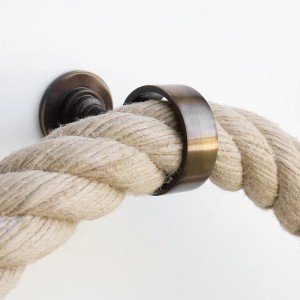
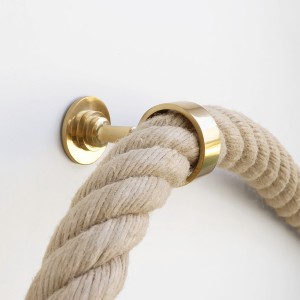
Wall mount ring for rope
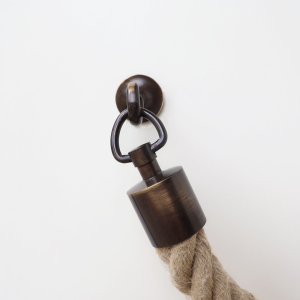
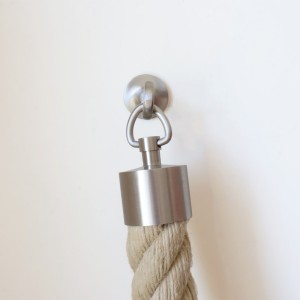
Rope end cap - Ring + hook
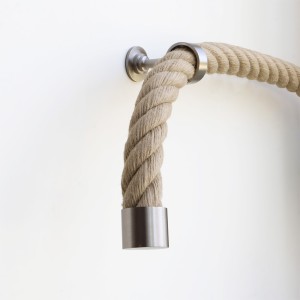
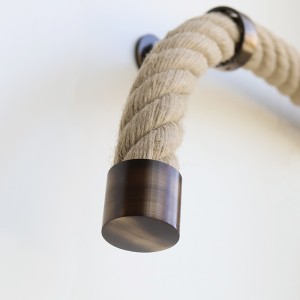
Rope end cap
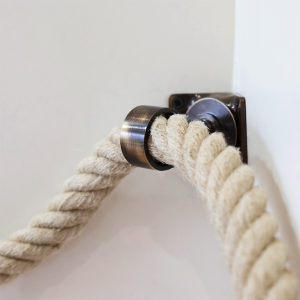
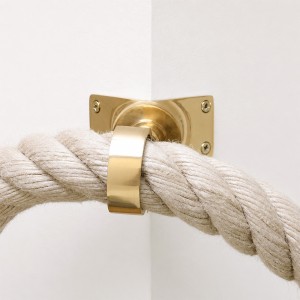
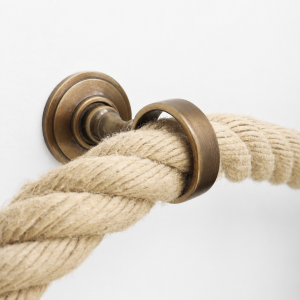
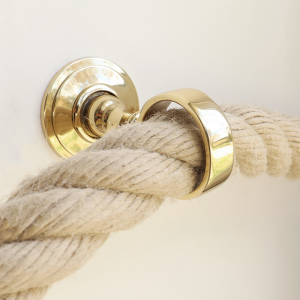
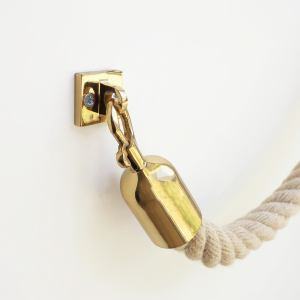
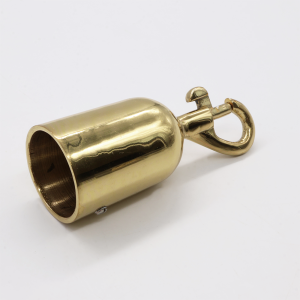
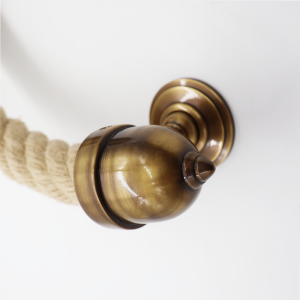
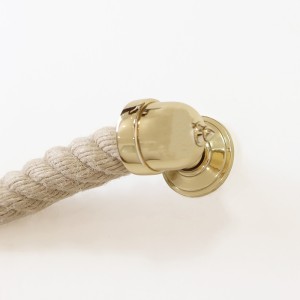
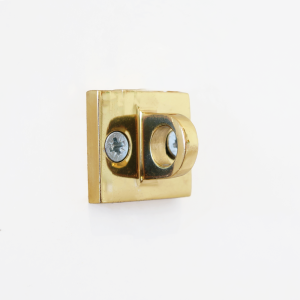
Wall plate - Lacquered brass
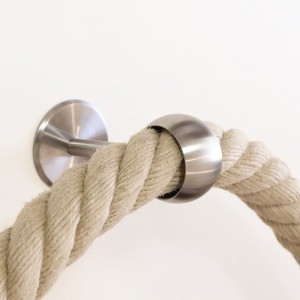
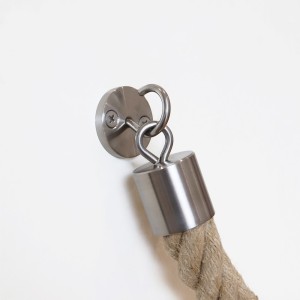
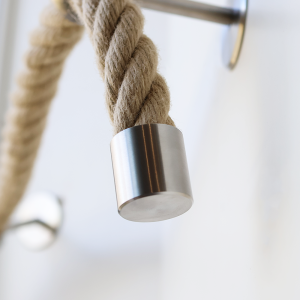
Rope end cap - Inox
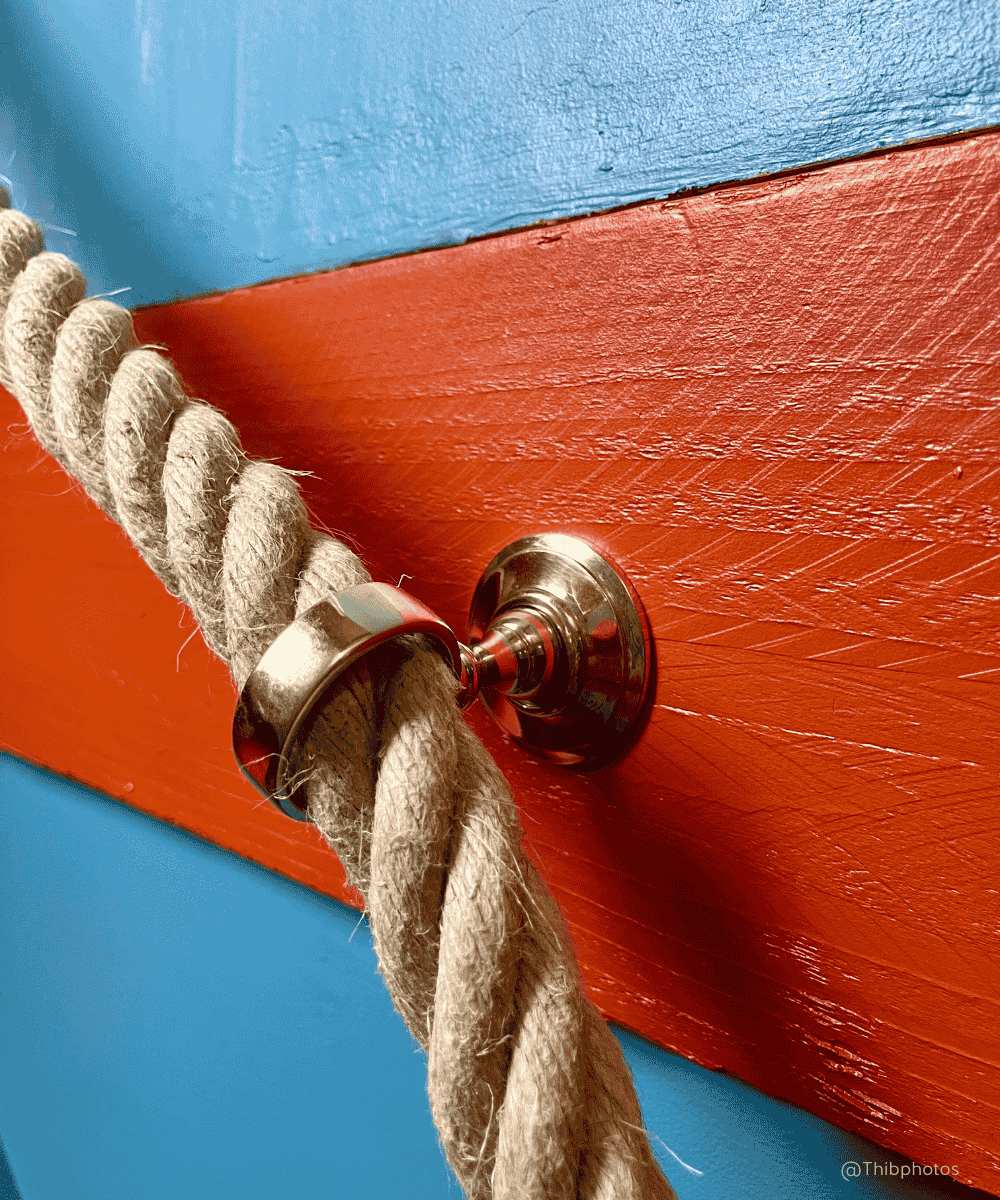
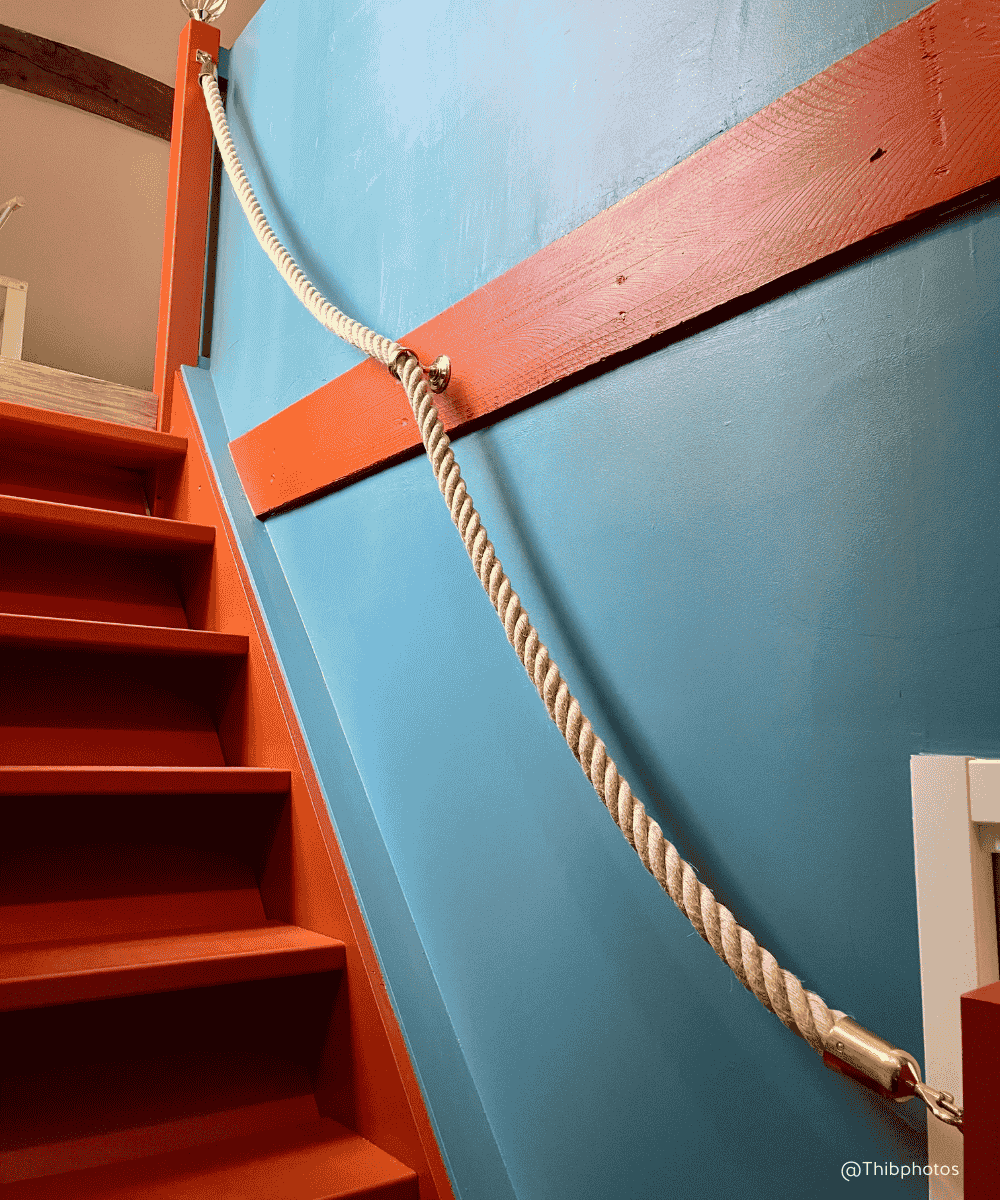
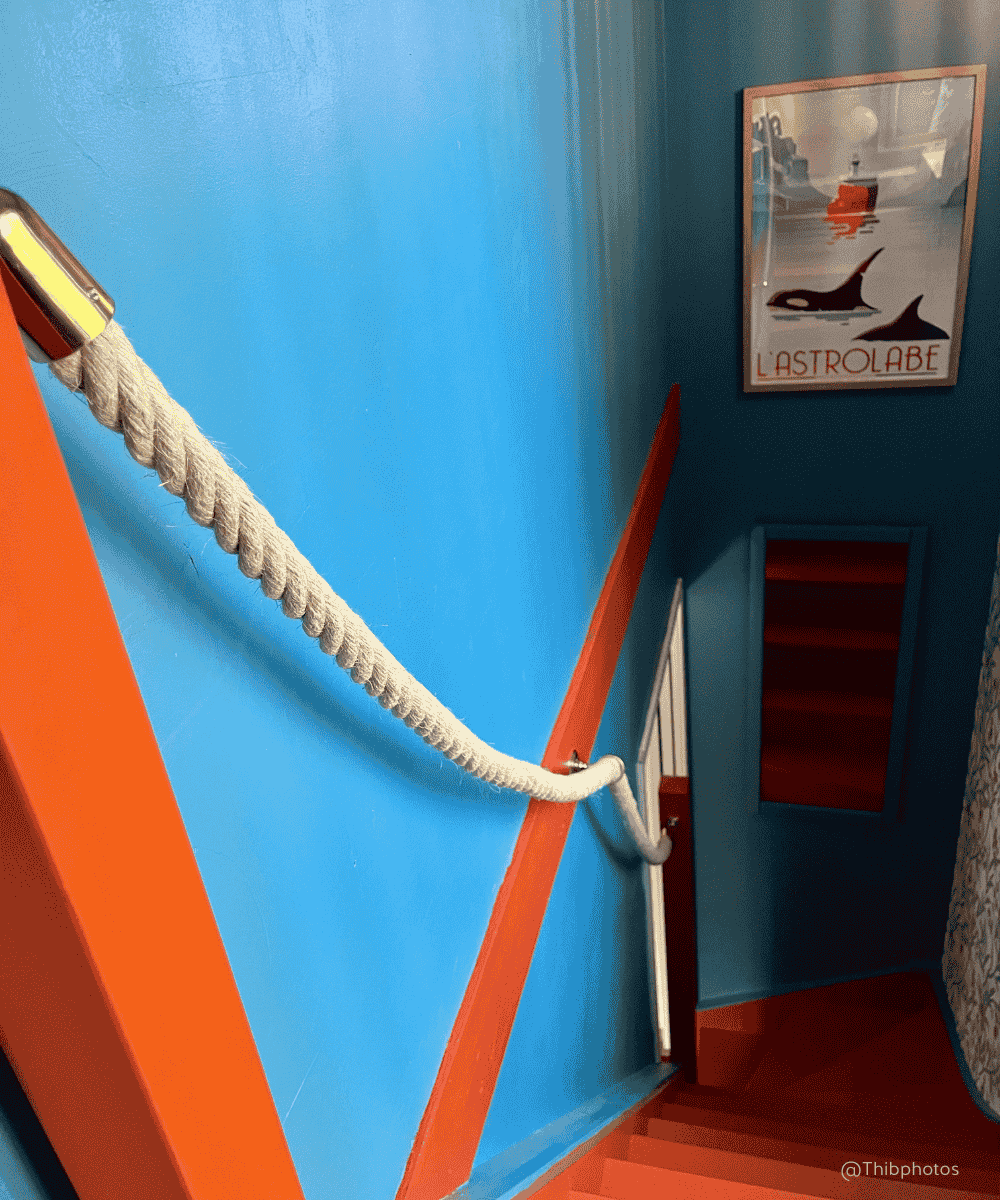
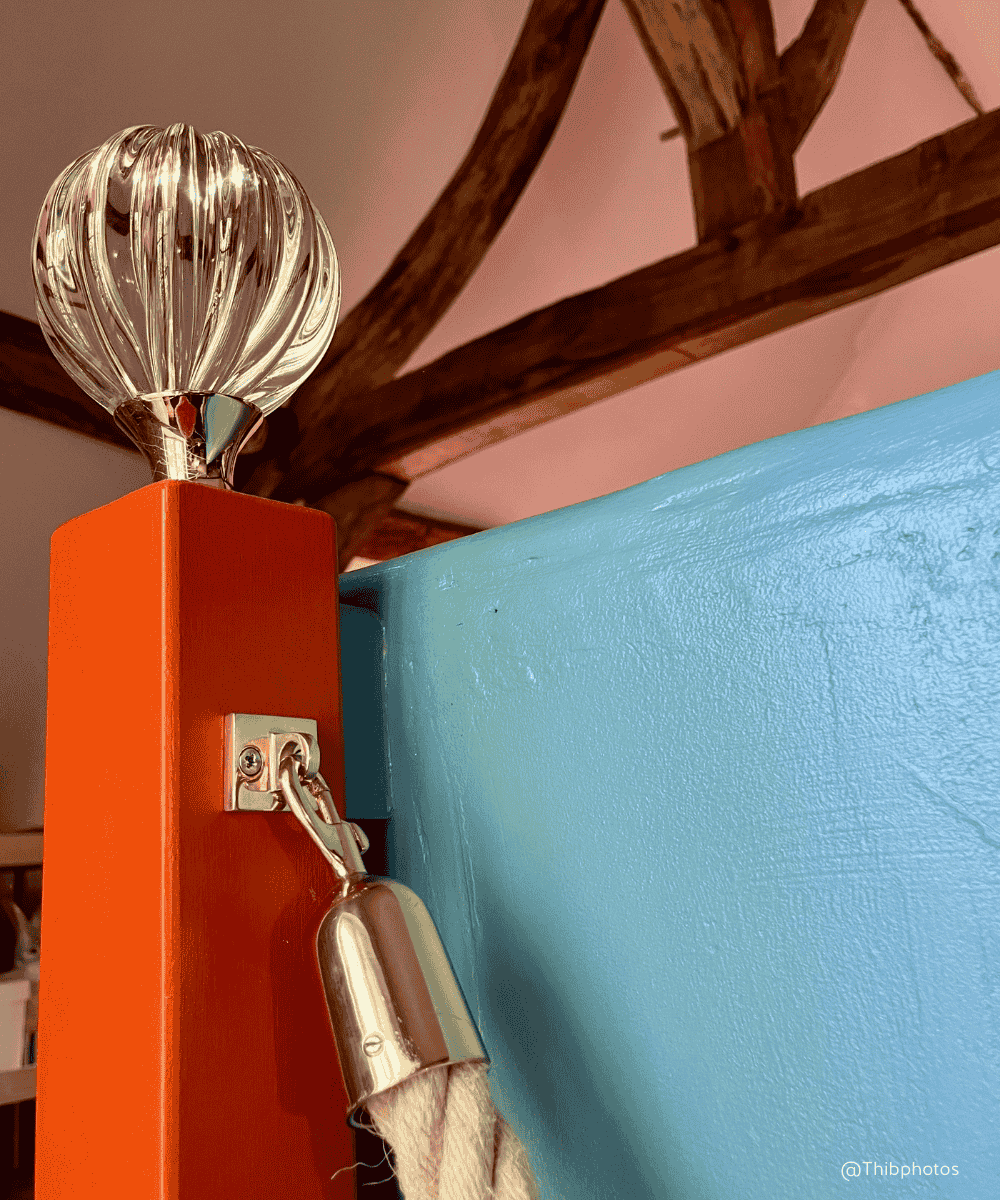
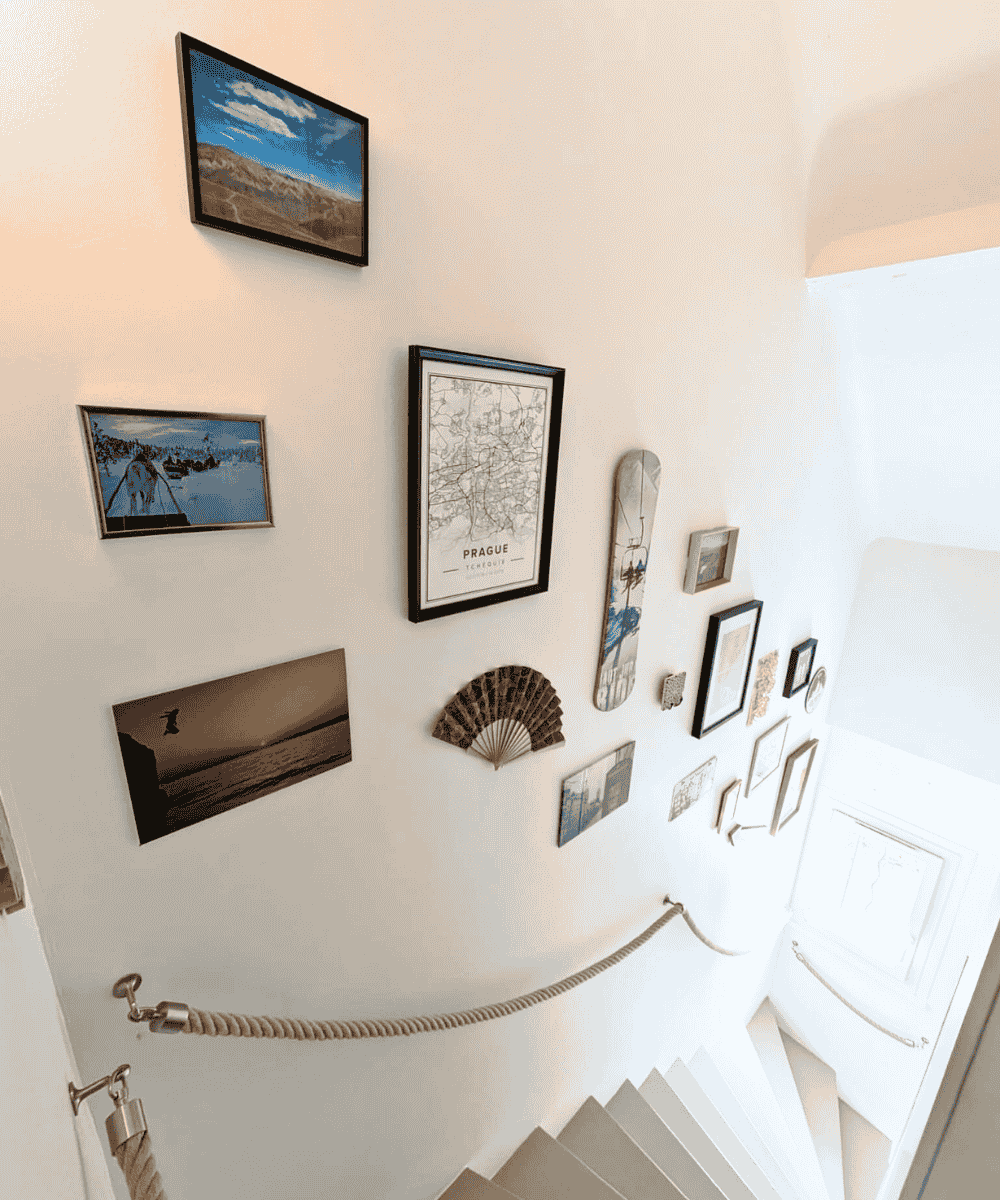
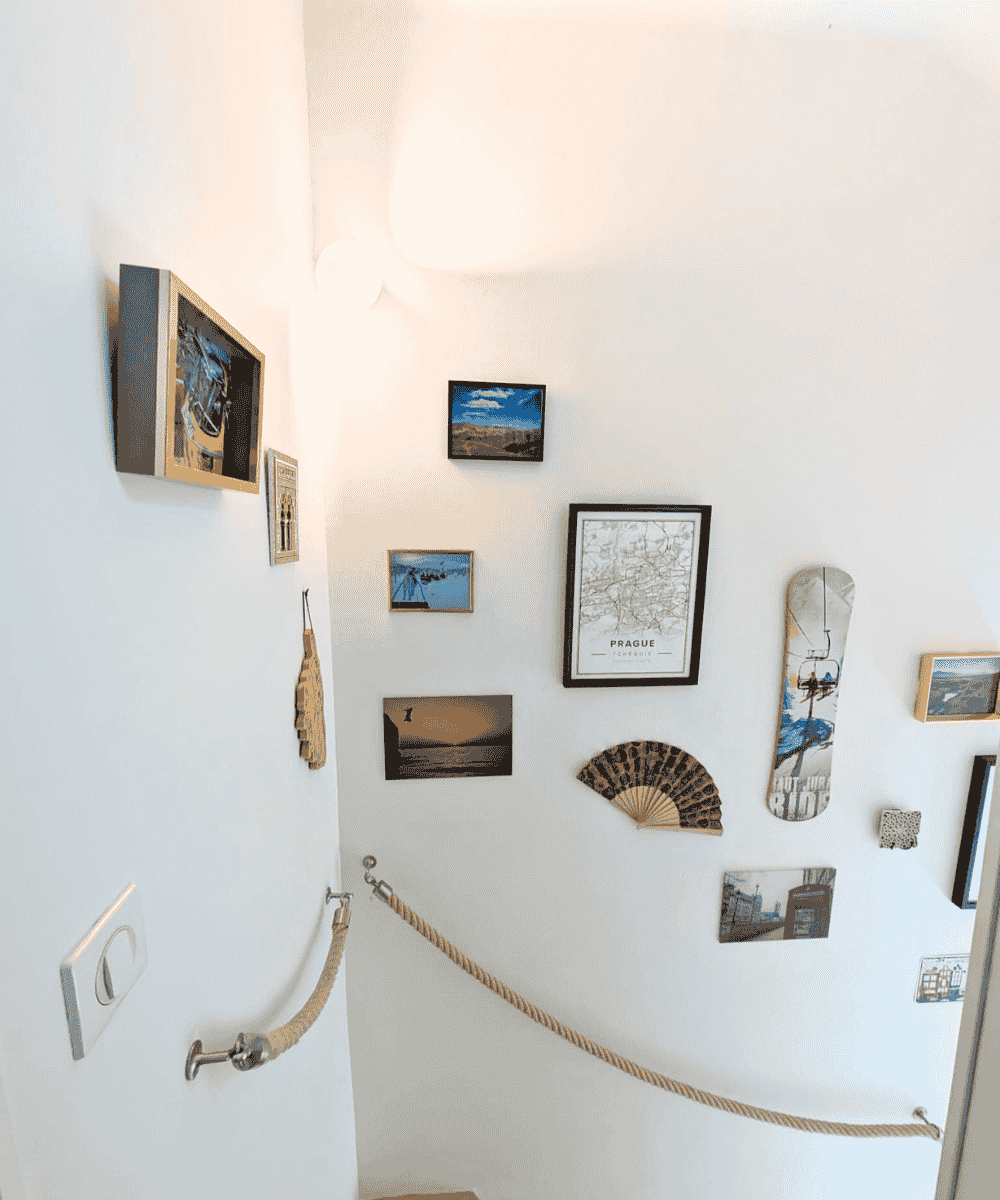
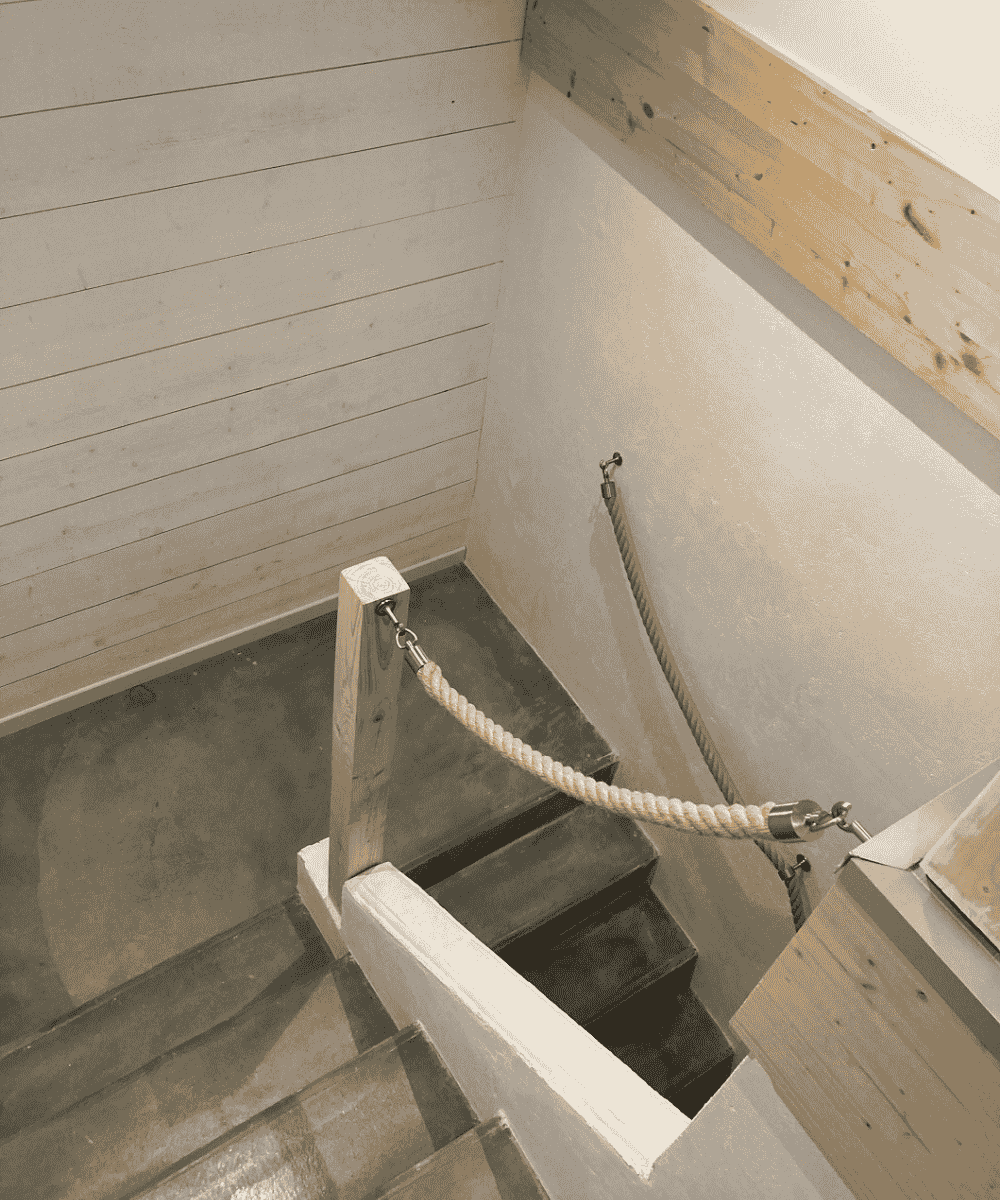
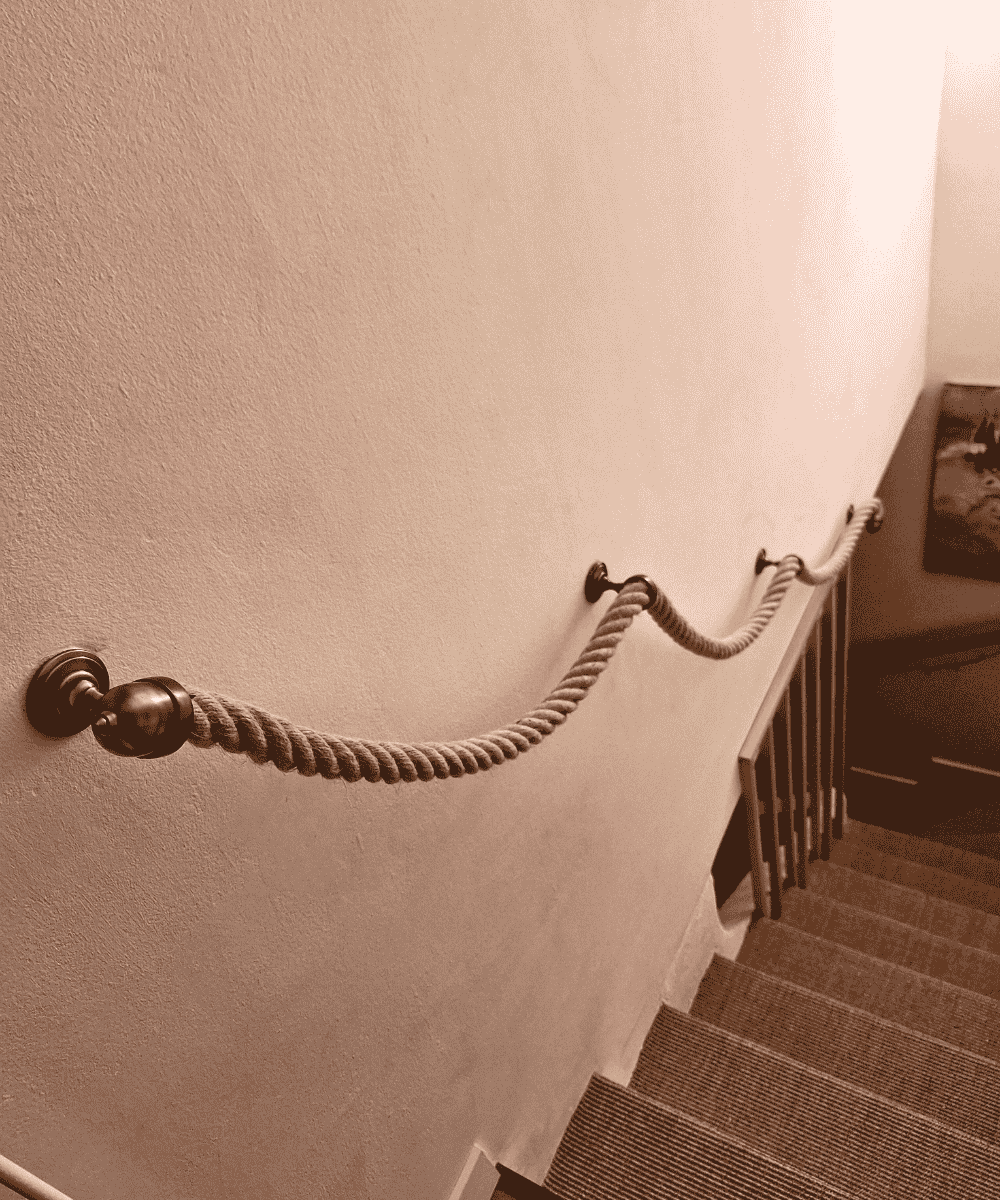
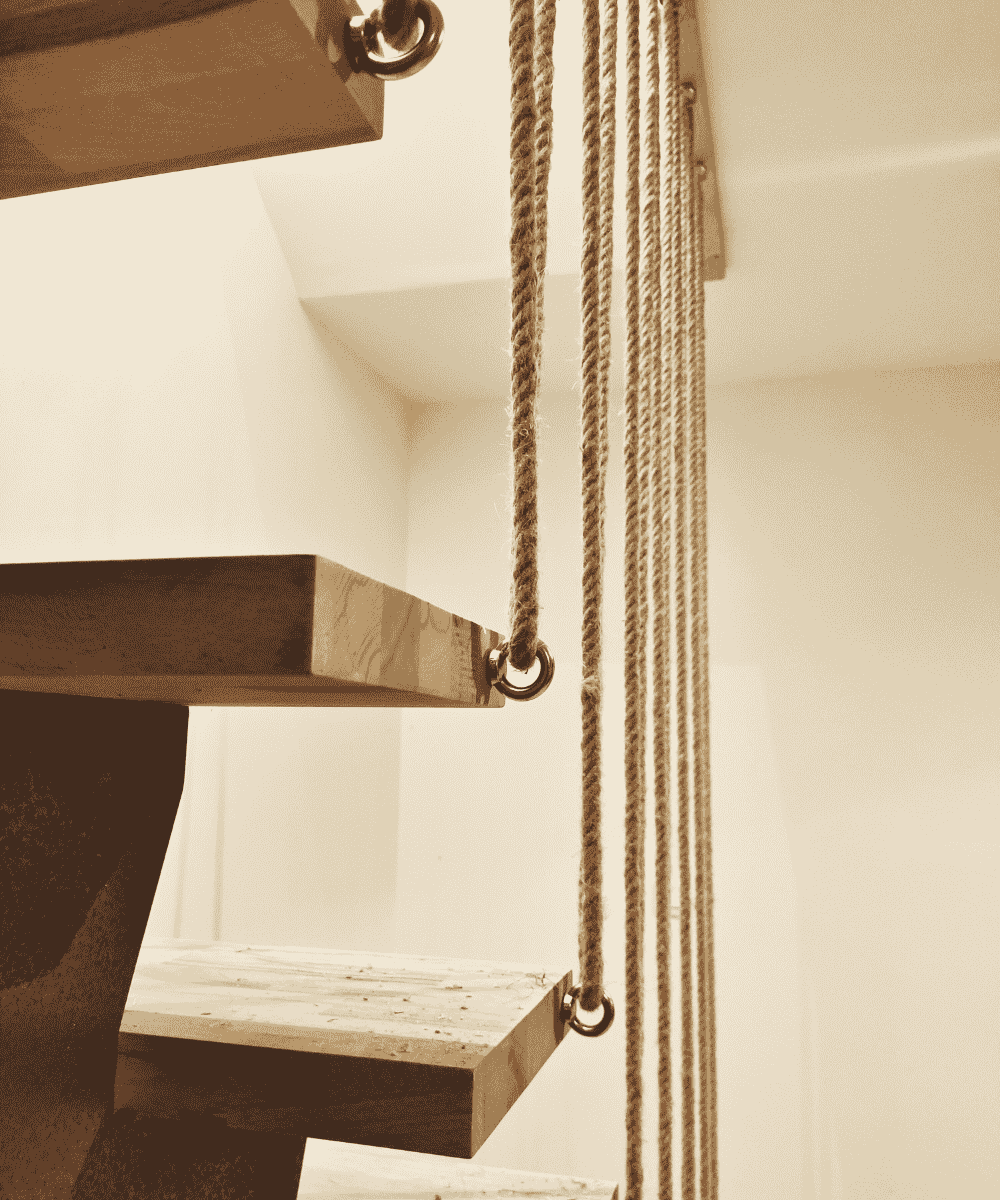
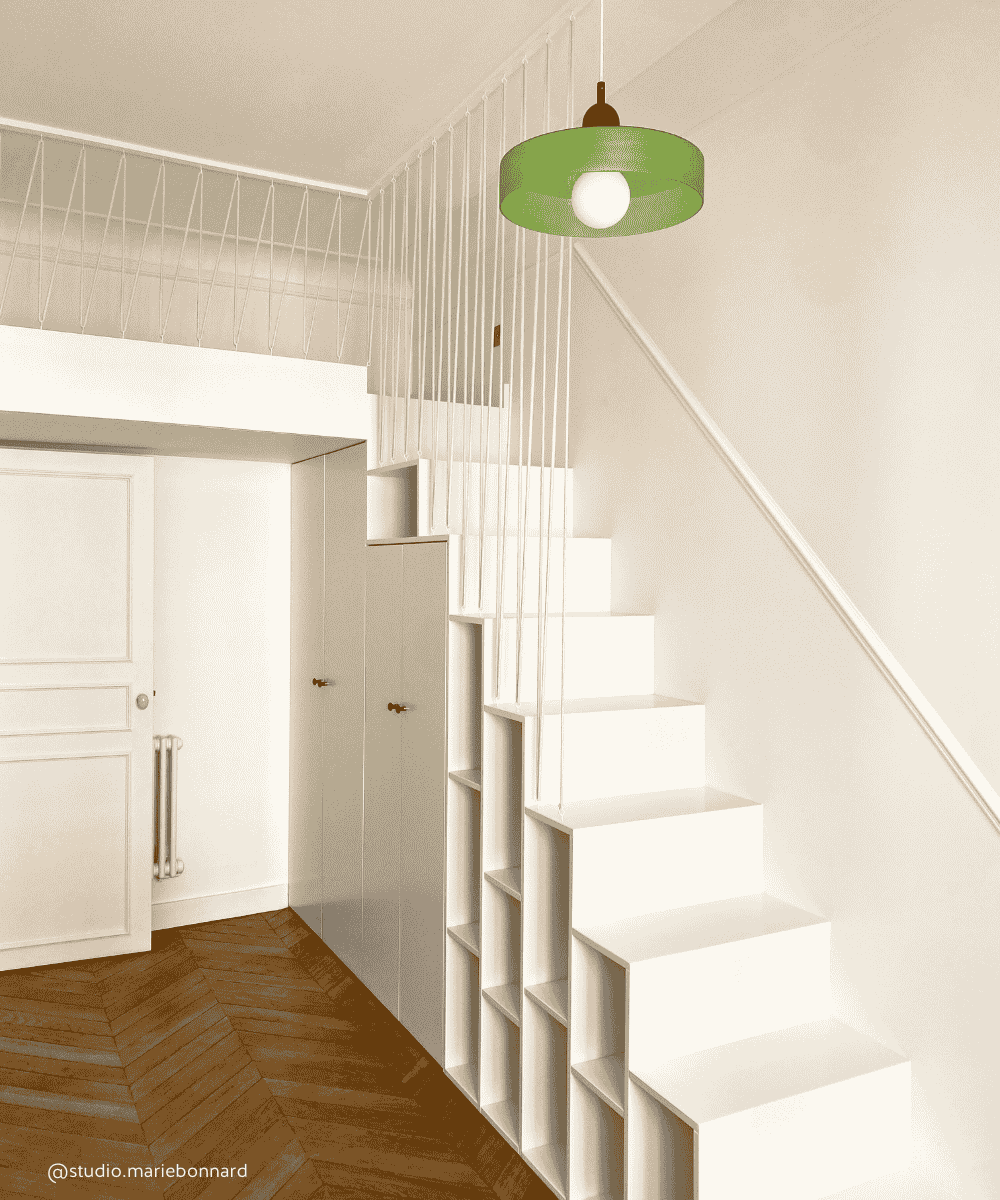
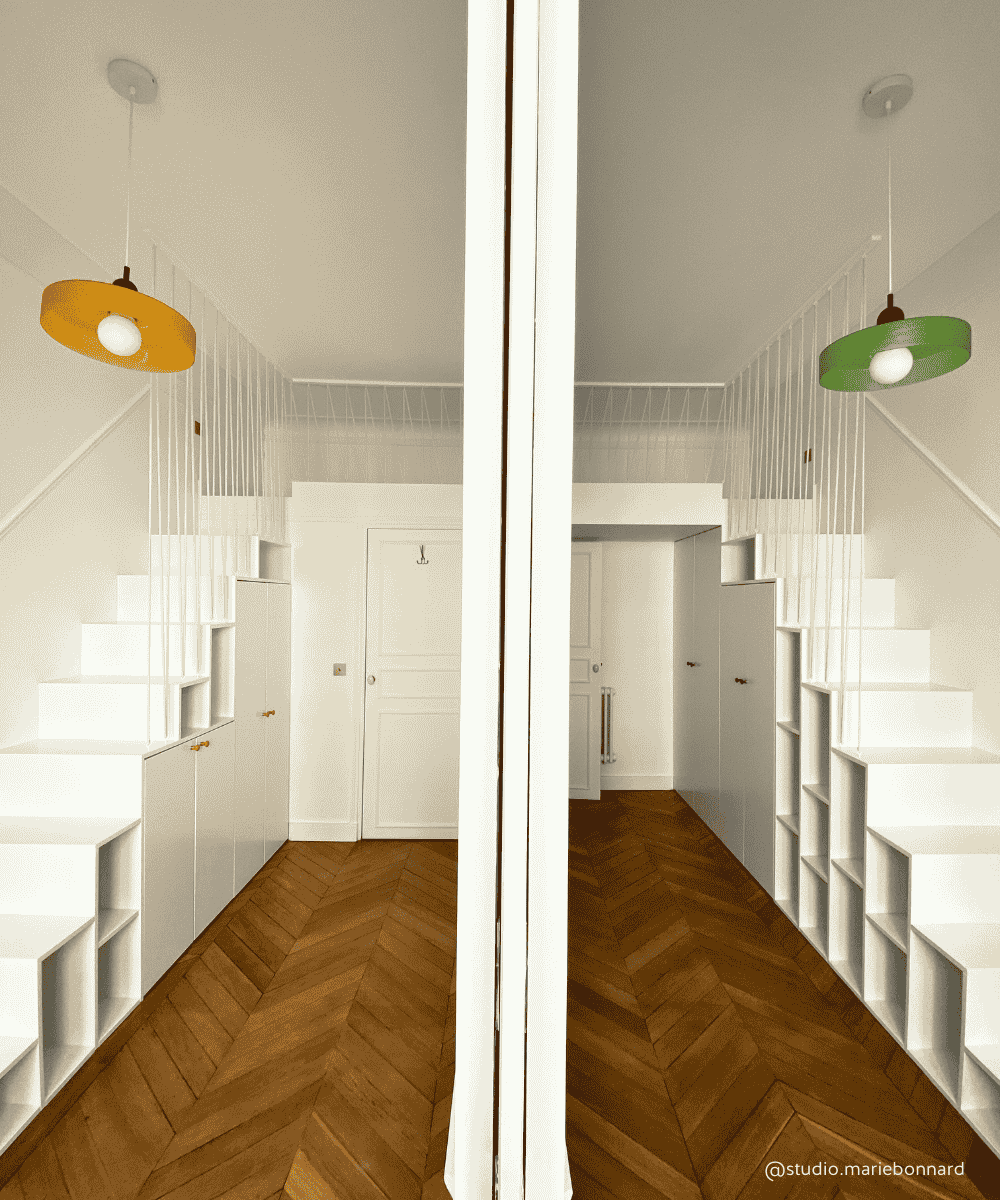
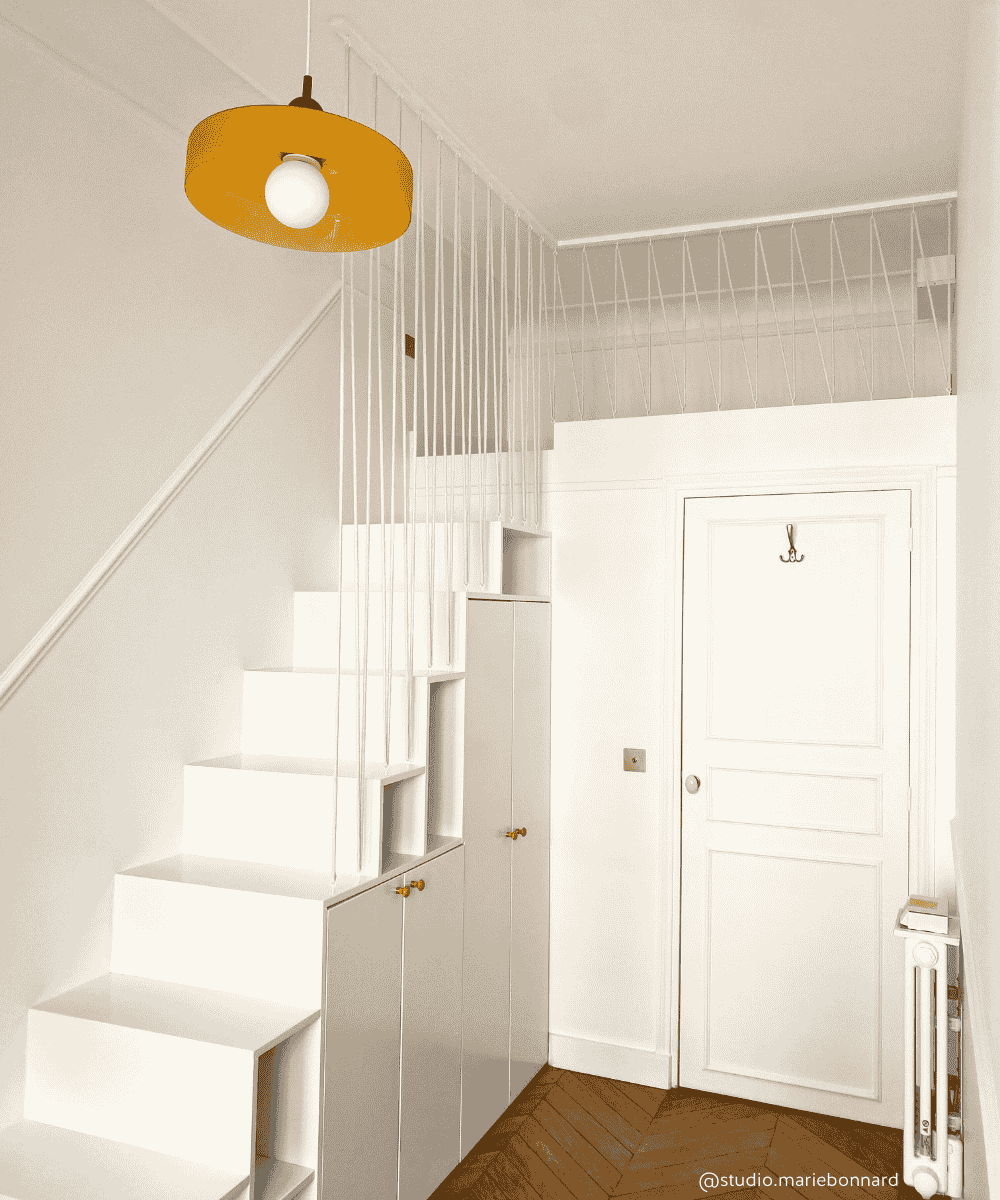
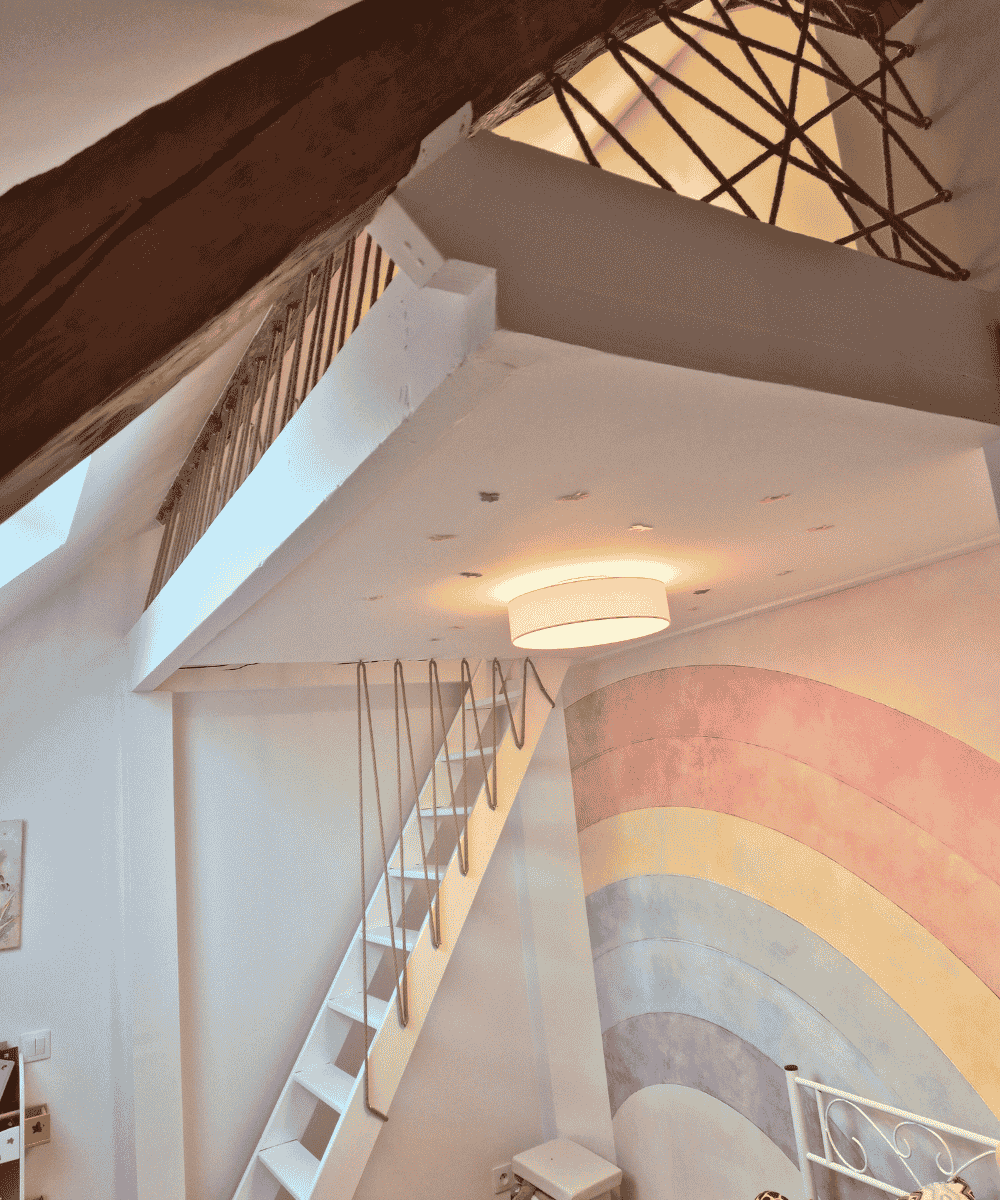
Inspiration board
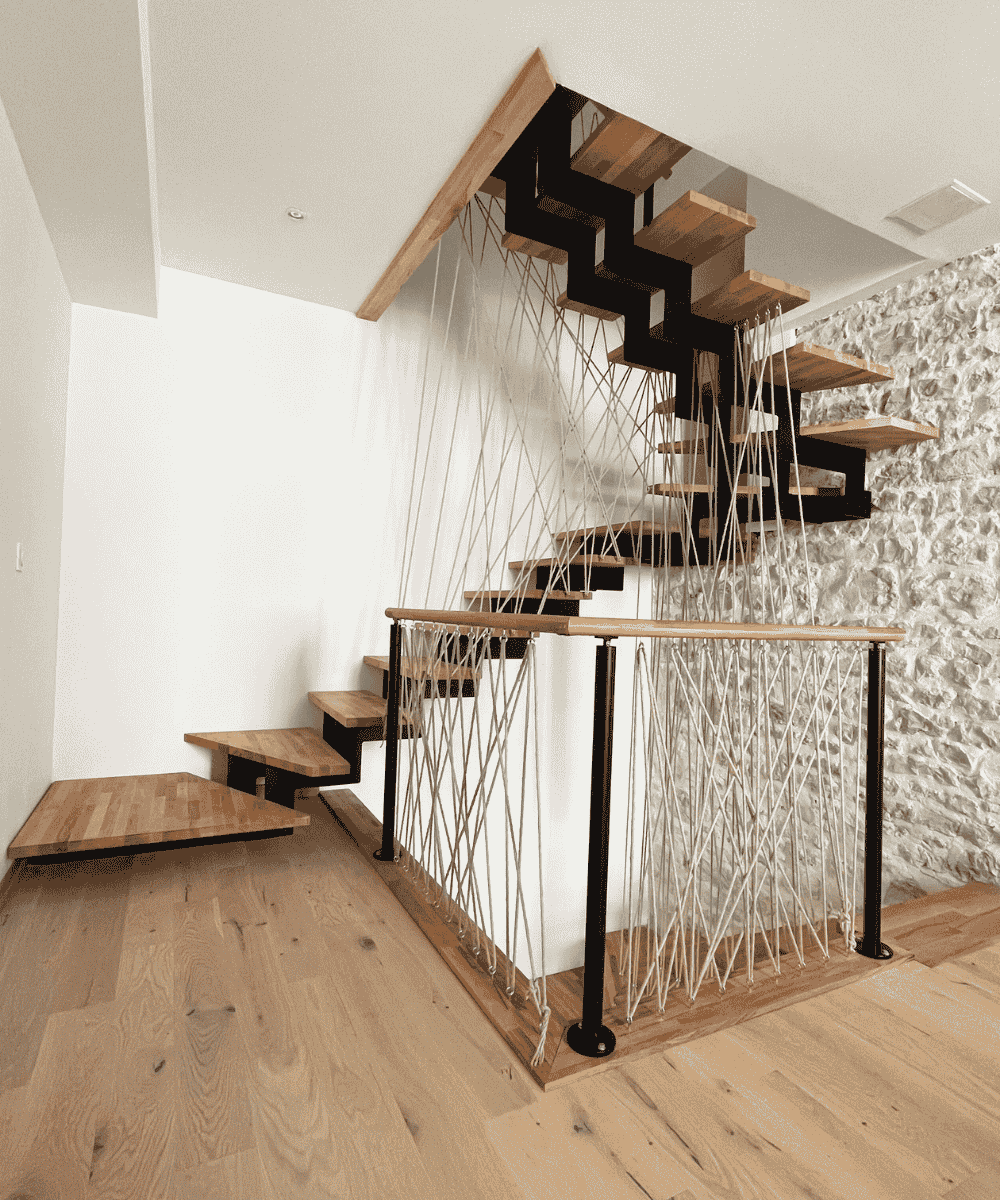
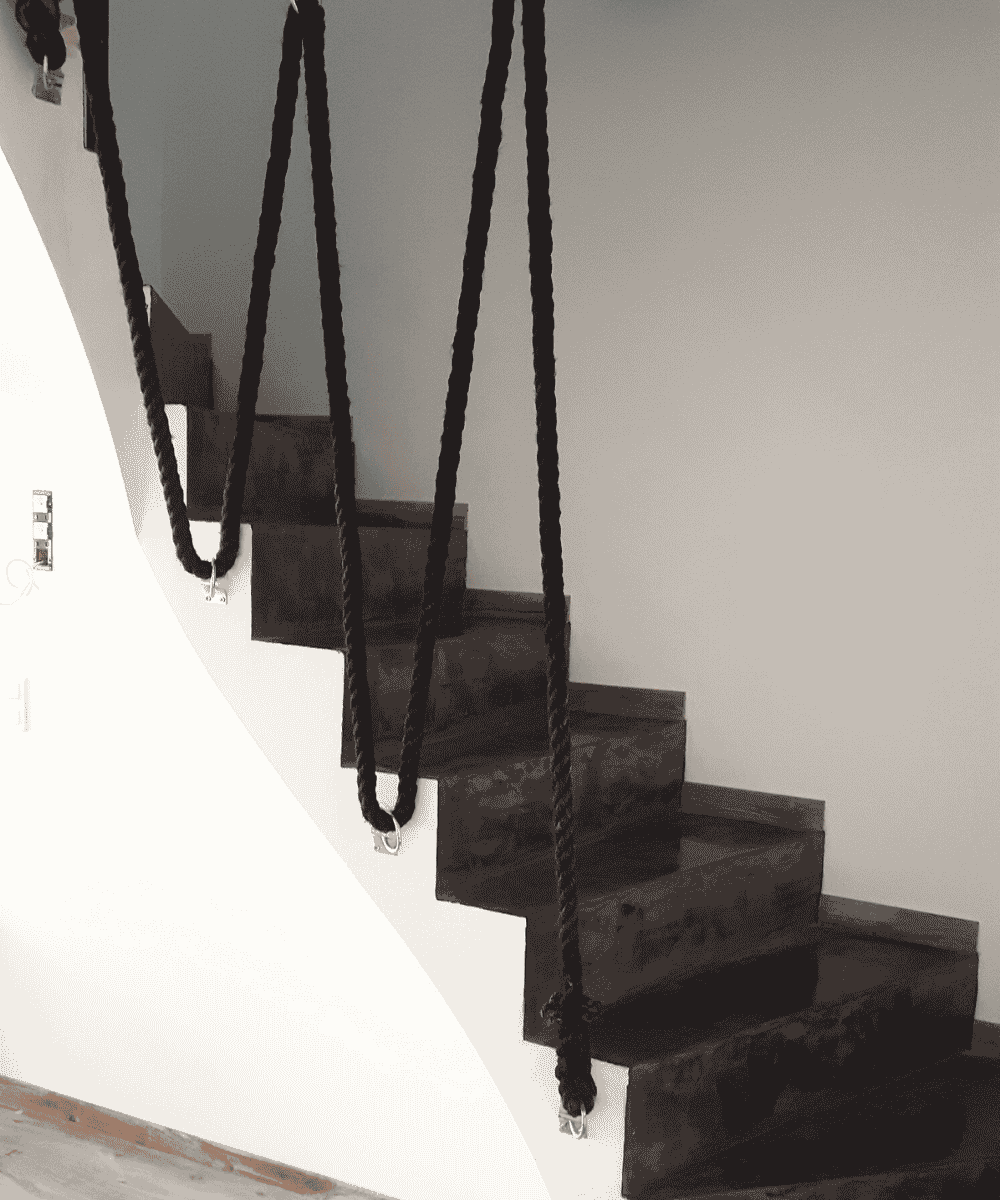
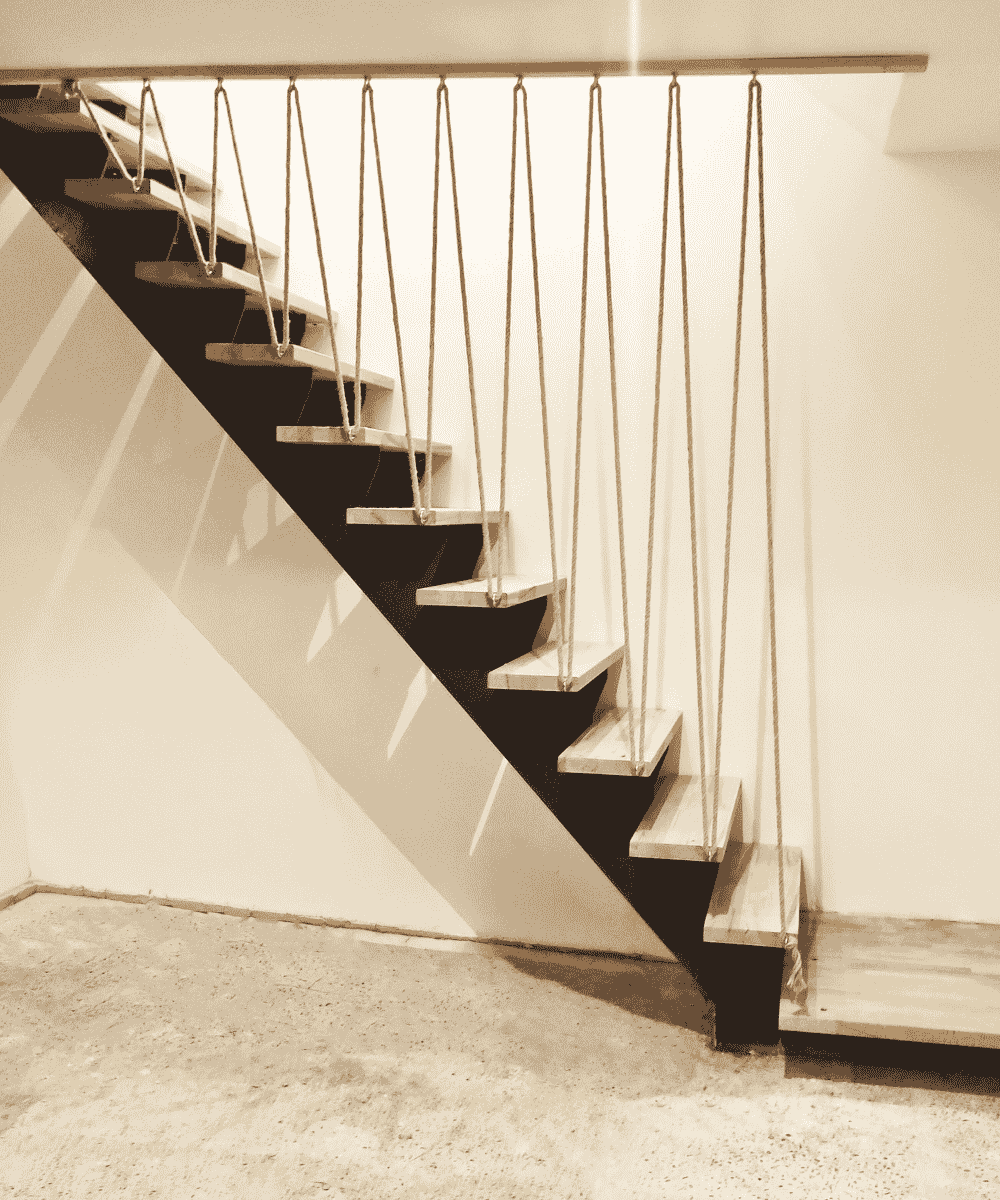
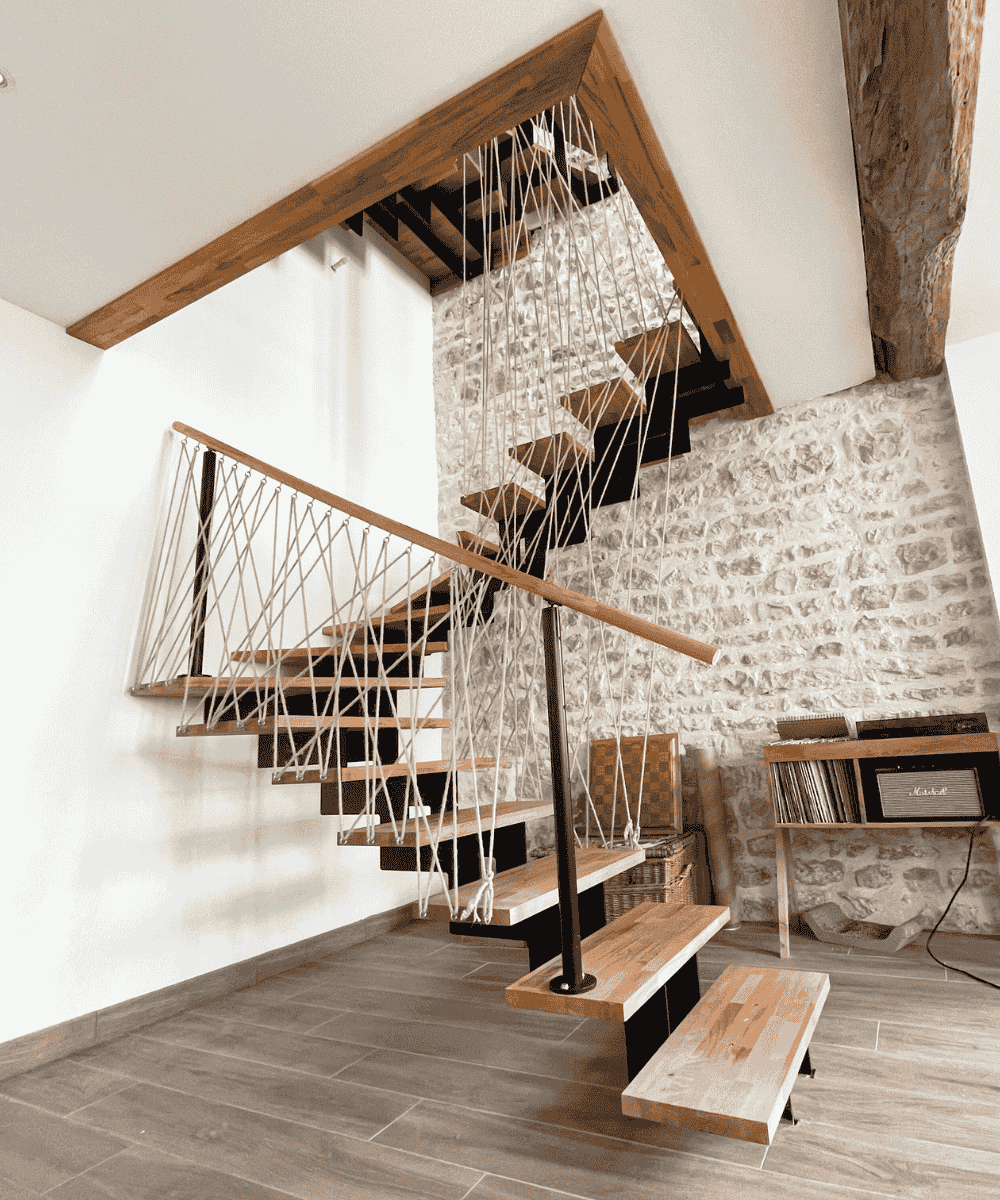
See what our ropes and nets become in the hands of our customers! Find more ideas on our Pinterest.
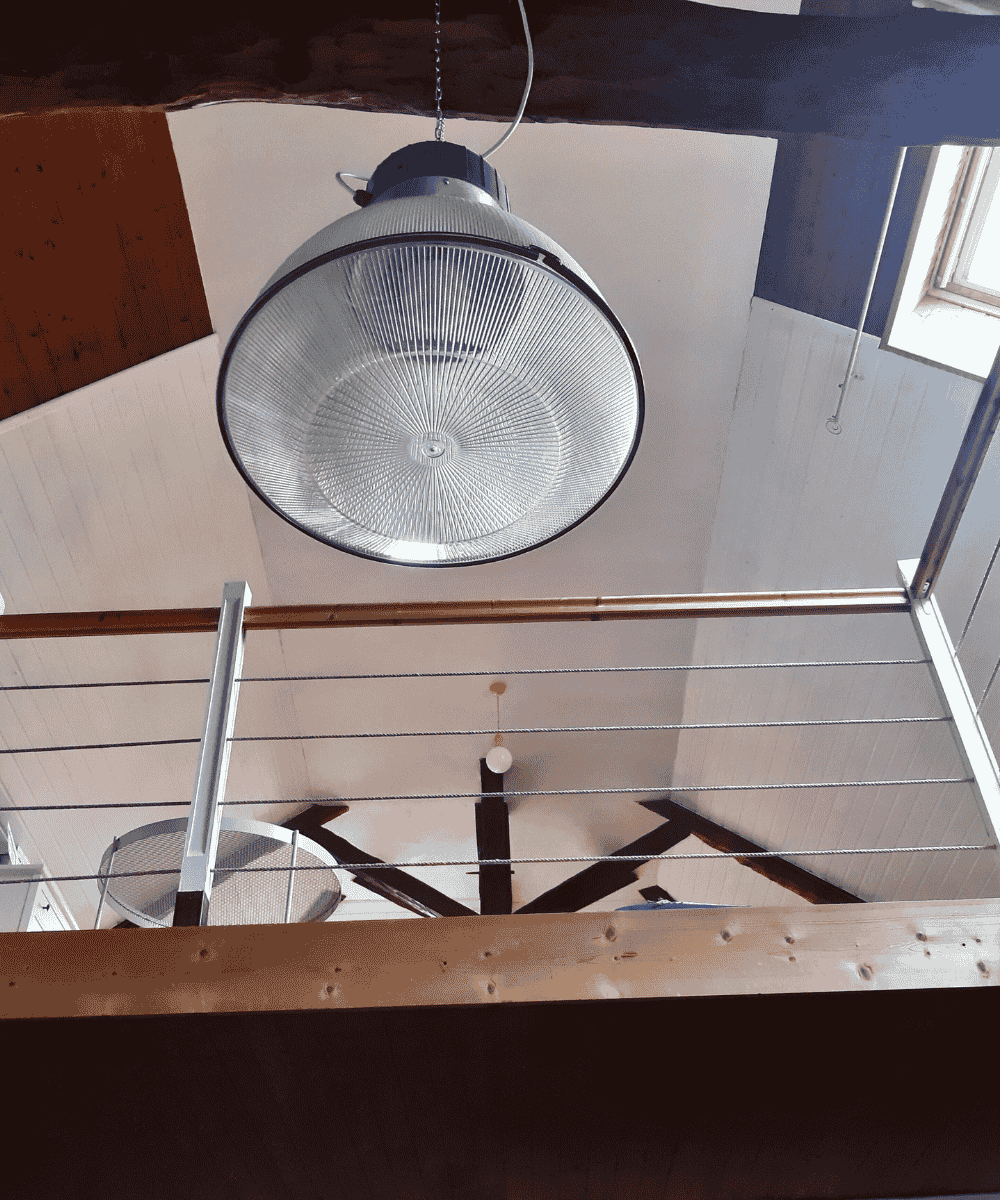
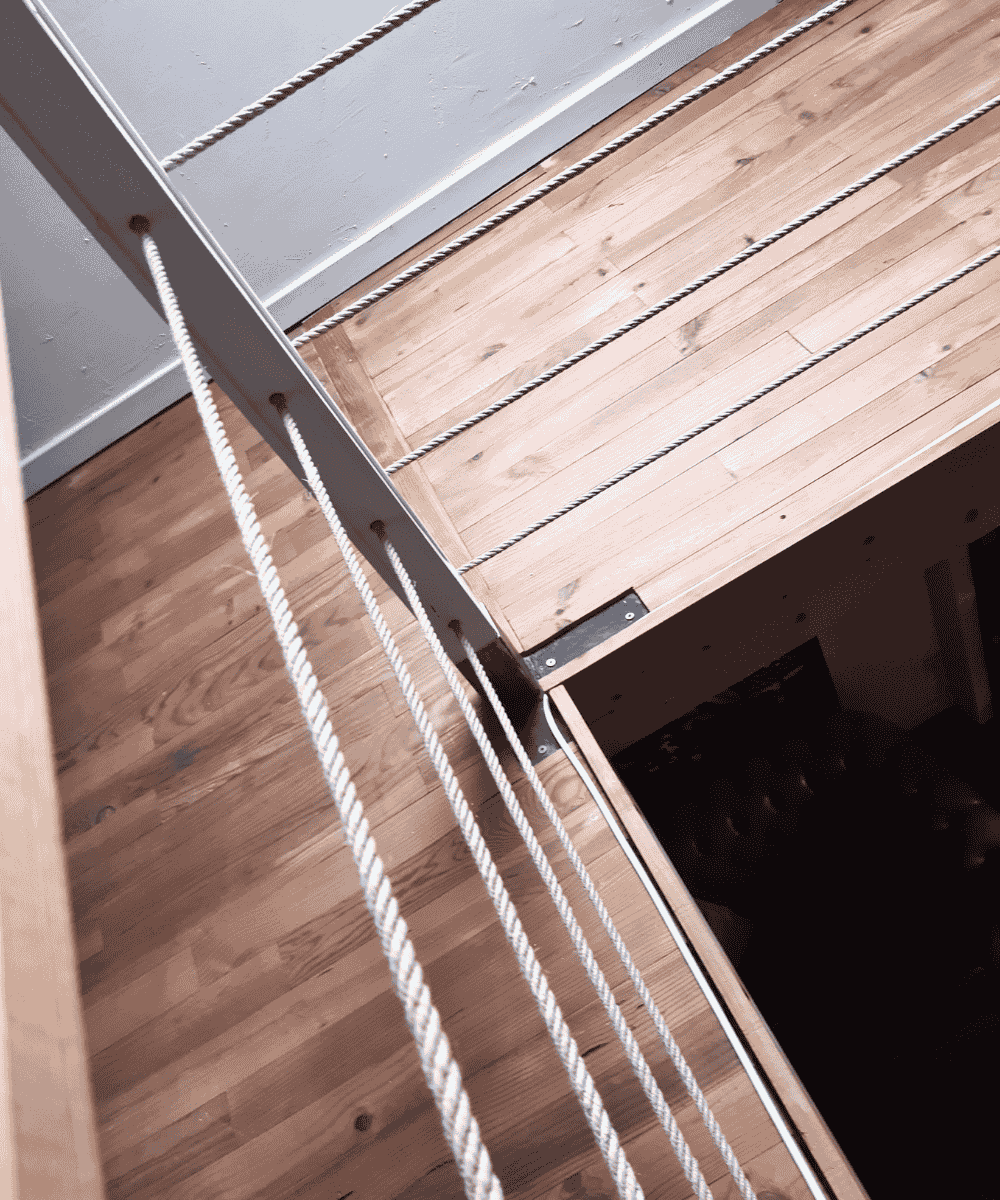
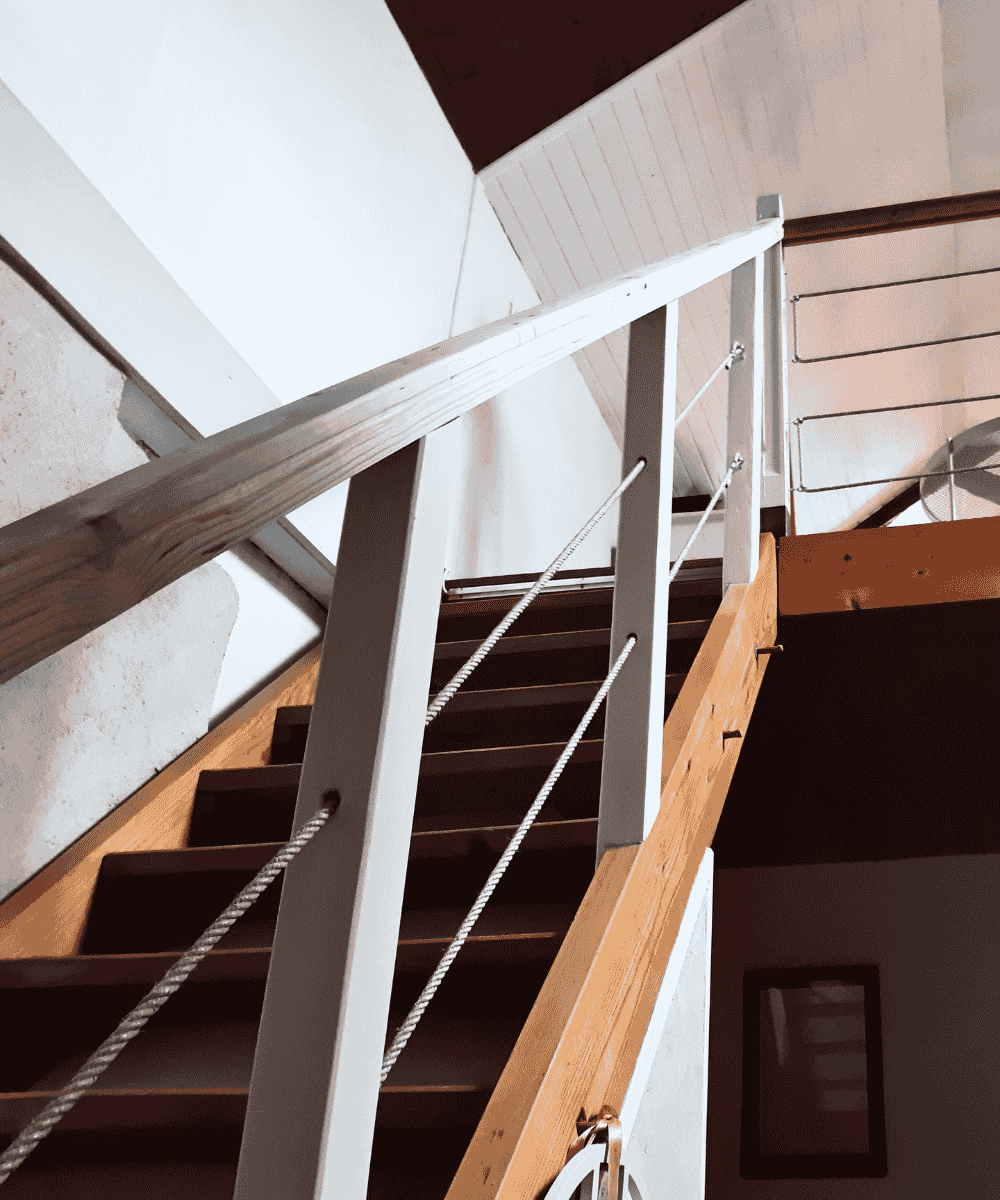
Also need a guardrail?
Looking to prevent falls or secure a railing? Design a custom-made guardrail. Our nets specifically designed for guardrails, along with our ropes and accessories for rope partitions, allow you to create a safe and aesthetic installation.
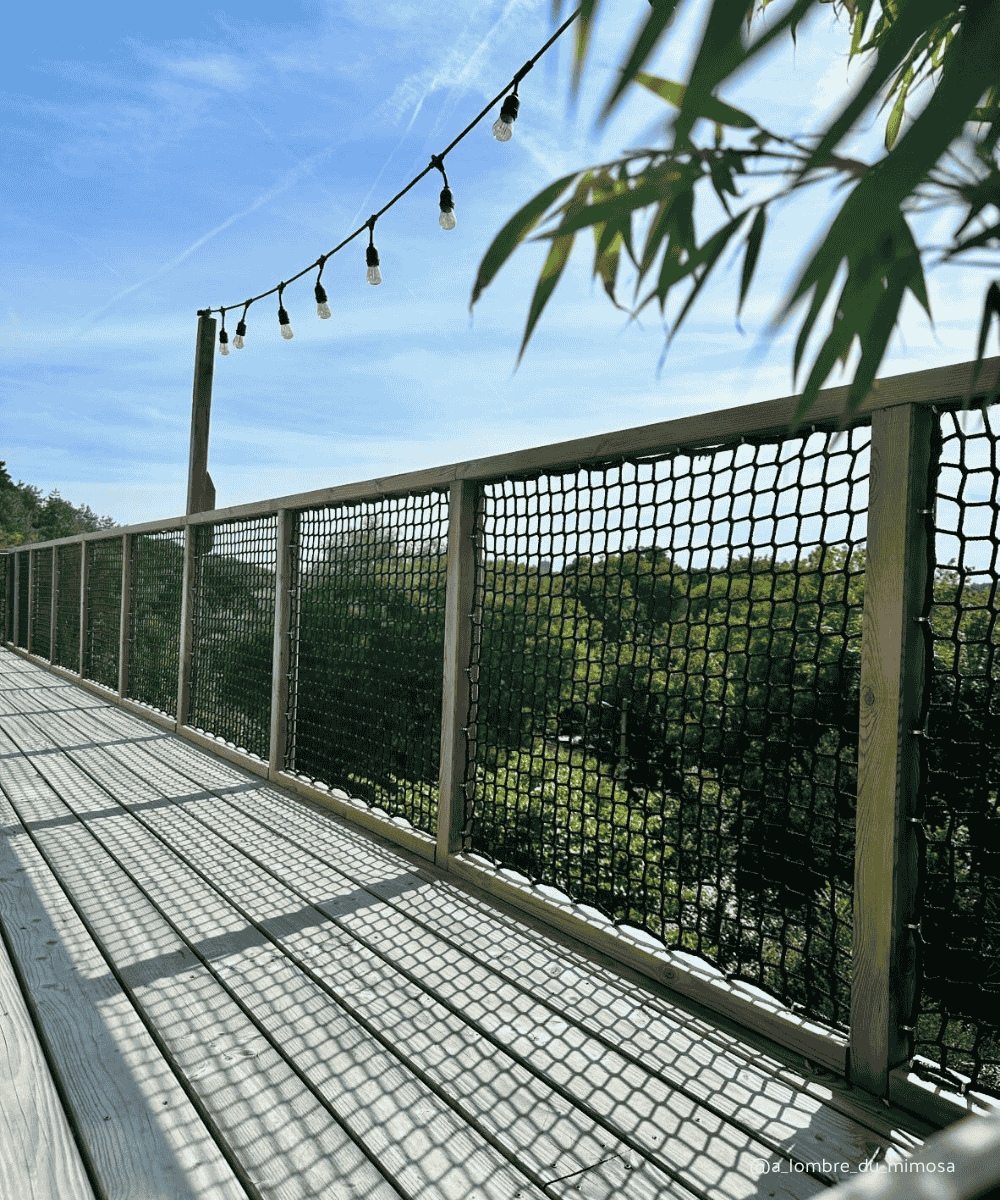
Guardrail net
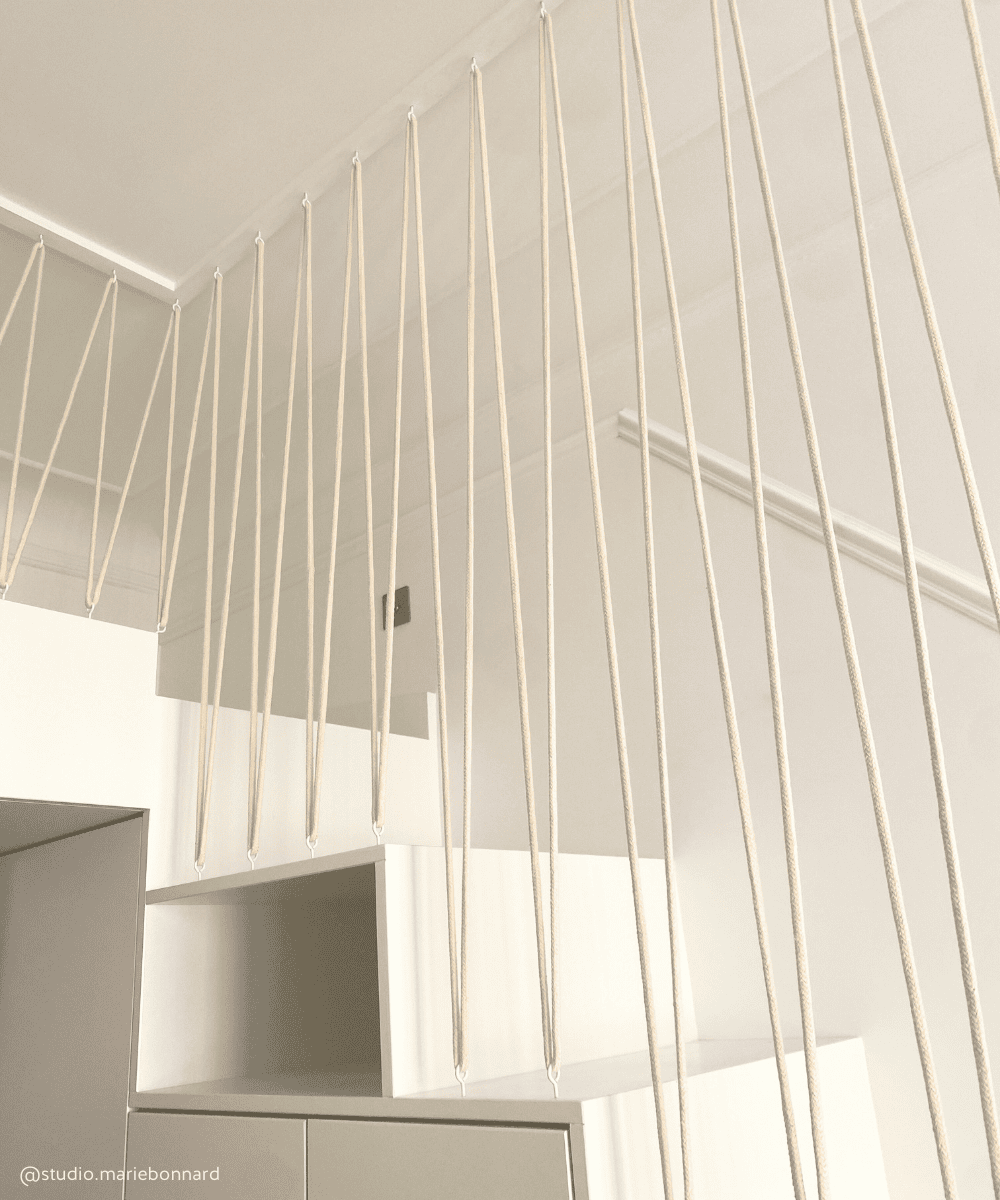
Rope wall
You may also like
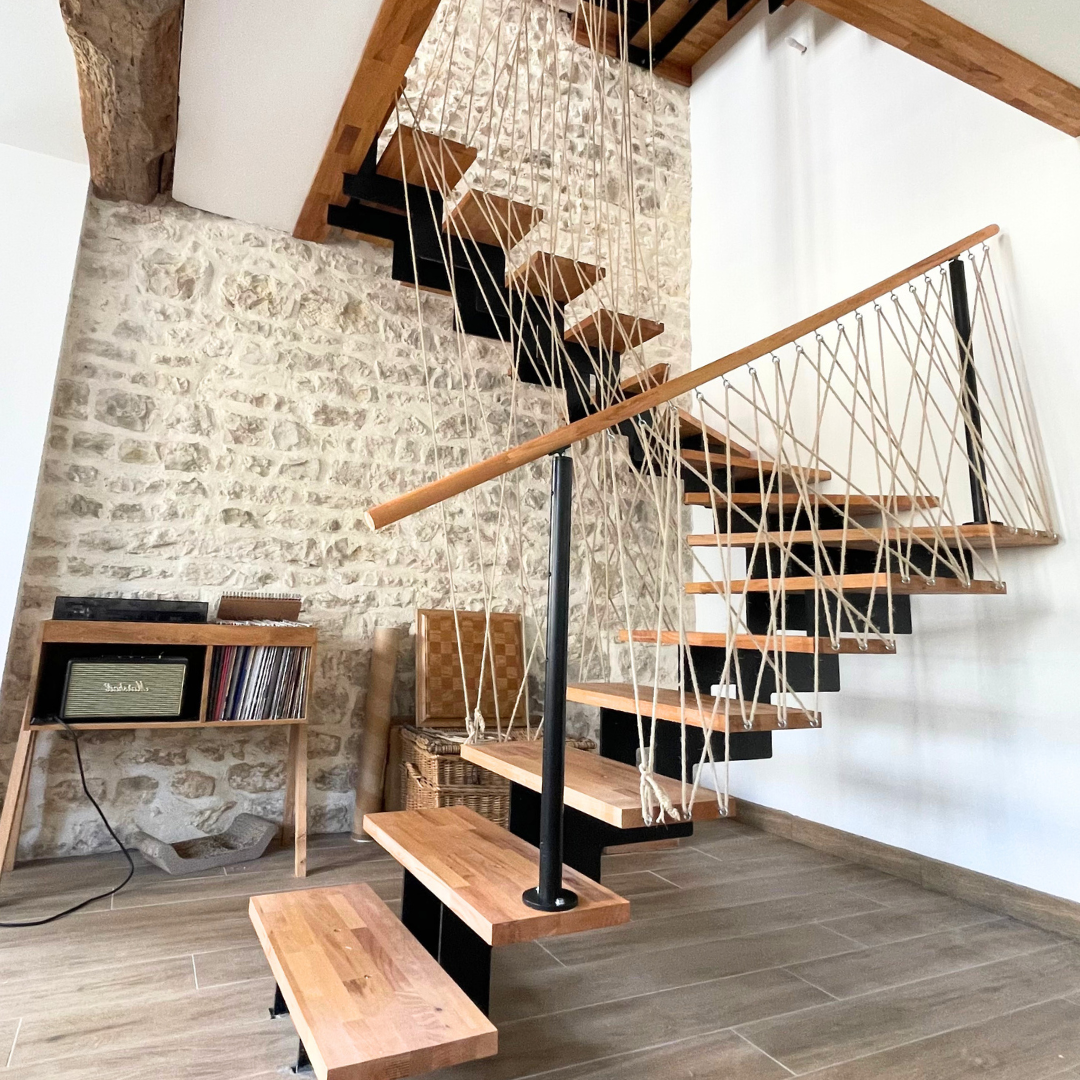
Relooker et sécuriser son escalier avec de la corde
Comment utiliser la corde pour aménager un escalier en toute sécurité.
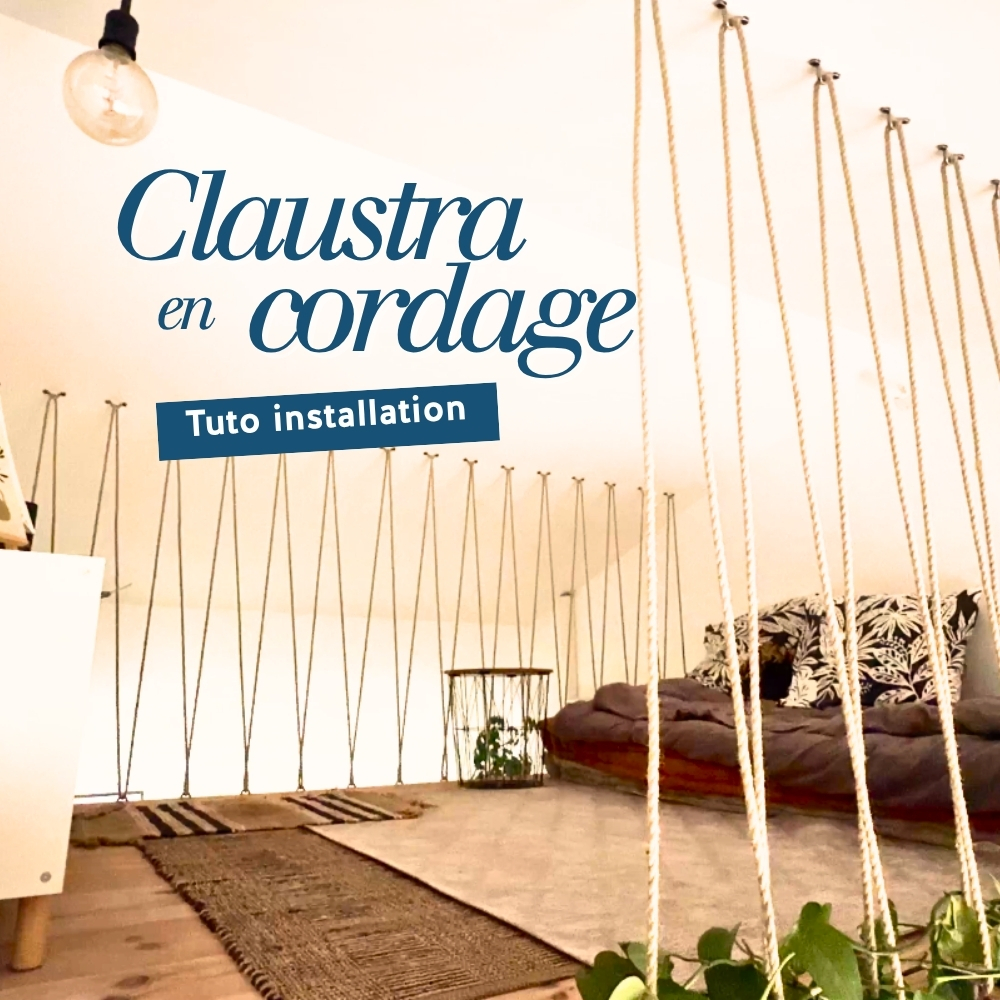
DIY : Claustra en cordage
On vous explique en images comment installer un garde-corps en cordage.
We answer you
A handrail rope can be installed in different ways depending on the desired look and the accessories you choose.
1. Select the right accessories for your project
Start by selecting end fittings and rings that are compatible with the diameter of your rope and match the style you are looking for.
- For the ends of the handrail, you can choose from different types of end fittings: standard end fitting, end fitting with hook, wall-mounted end fitting, or end fitting with snap hook.
- Along the staircase, wall rings guide and support the rope. We generally recommend installing 1 ring every 80 cm. This spacing creates a slight curve in the rope.
- If your staircase has an angle or turn, use our rings specially designed for corners at 90°, for inside and/or outside corners.
2. Position the rope at the correct height
Position your handrail at a height that provides a natural and comfortable grip throughout the staircase. Mark the location of the different fixing points before drilling.
3. Fix the accessories to the wall
The rings and end fittings must be fixed to a strong and secure surface, such as wood or concrete. Do not fix the accessories directly to plasterboard: the fixing could pull out under pressure and would not ensure safe use of the handrail.
Our accessories are supplied with suitable fixing screws for installation.
4. Cut and secure the rope
Once the rope is positioned through the rings and inside the end fittings, tighten the grub screws. As they are tightened, they penetrate the rope and hold it firmly in position.
The end of the rope may sometimes swell slightly, making it difficult to insert into the end fitting or ring. If this happens, wrap it tightly with electrical tape before cutting it, then insert it into the end fitting. This will give you a more compact end that is easier to fit.
For outdoor installation, we recommend using:
- Ropes that are both twisted for a comfortable grip and synthetic for resistance to moisture and UV rays. Synthetic hemp rope and polyester rope are generally preferred.
- Stainless steel fixing accessories, which will not rust, unlike nickel-plated steel accessories, for example.