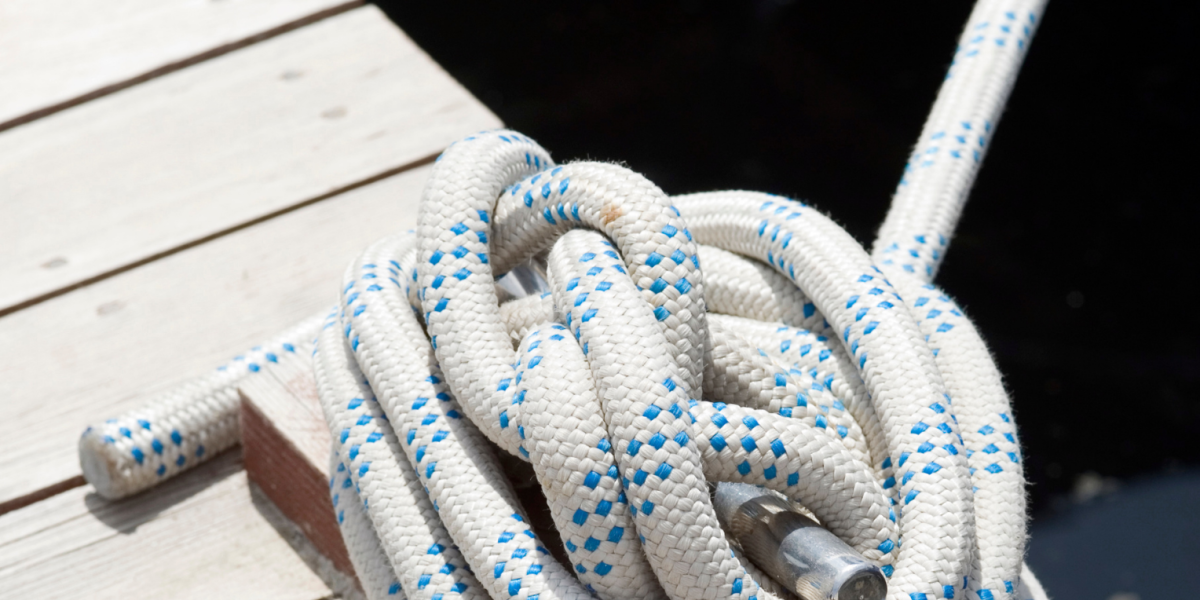
Recommended length and diameter:
- Diameter: boat length (in meters) + 4. Example: 6 m boat → recommended diameter: 10 mm
- Length: Allow mooring lines measuring 2 to 3 times the boat length to maintain flexibility and properly absorb loads.
Mooring line - Braided polyester
€239.00

Polyester rope
1 review
€54.00
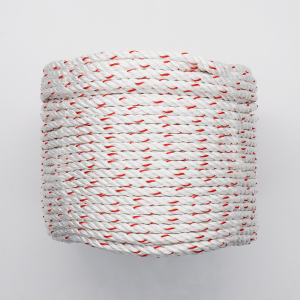
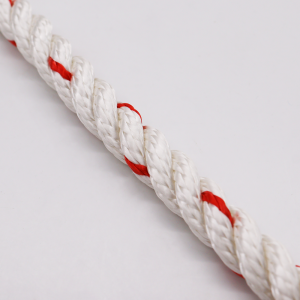
Nylon rope
6 reviews
€59.90

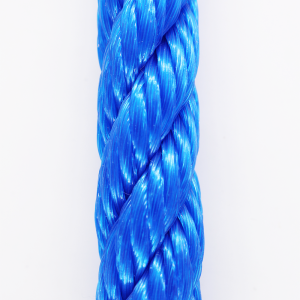
Polyethylene rope
30 reviews
€13.90
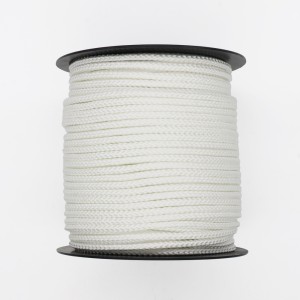
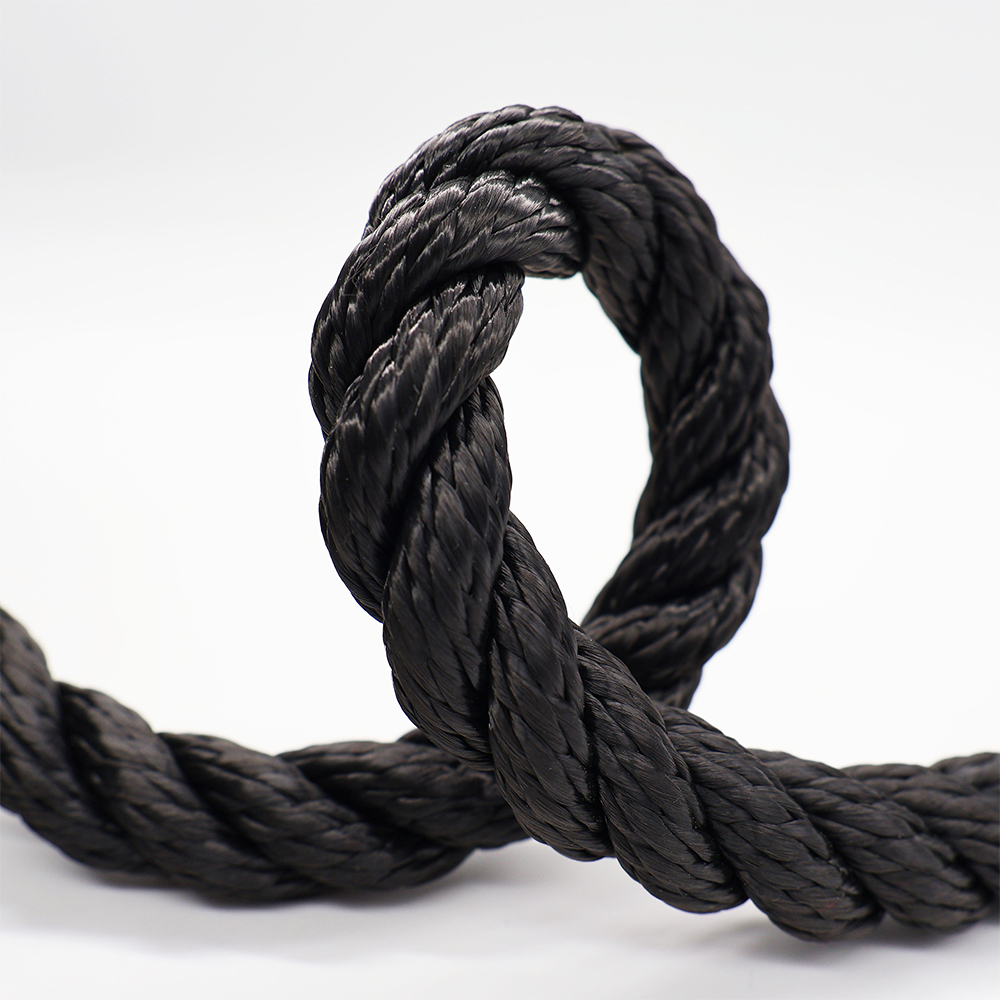
Choosing your mooring lines:
Which material?
- Polyamide (nylon) is the most suitable fiber for mooring. Highly elastic and resistant to abrasion, it effectively absorbs shocks caused by the boat’s movements. However, its UV resistance is slightly lower than polyester.
- Polyester is a durable alternative, known for its excellent resistance to UV and abrasion. Its lower elongation makes it less effective at absorbing shocks, but more suitable for stable mooring lines.
- Polyethylene, thanks to its floating properties, is useful for specific uses: buoy pick-up lines, temporary mooring, or areas with propeller risk.
Twisted or braided mooring line?
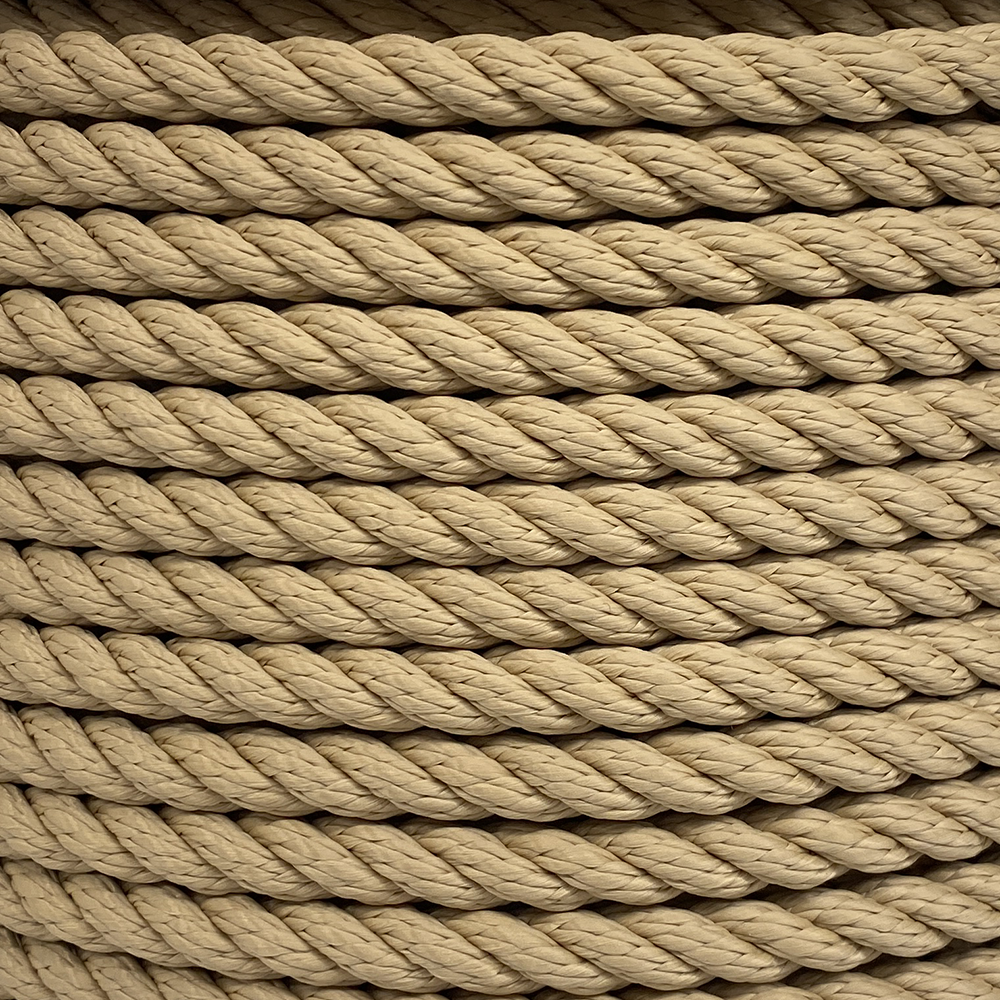
- Twisted (3-strand): stiffer, appreciated for its ease of splicing, ideal for making loops or custom mooring lines.
- Braided: more flexible and comfortable to handle, offering better comfort when maneuvers are frequent.
Recommended for you
Halyard, sheet - Syracuse
€133.00
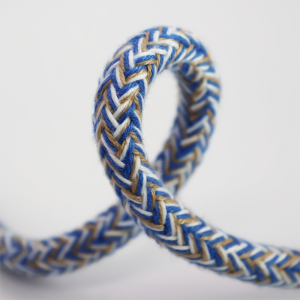
"Cotton feel" Sheet - Malo
1 review
€93.00
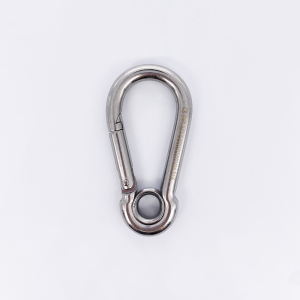
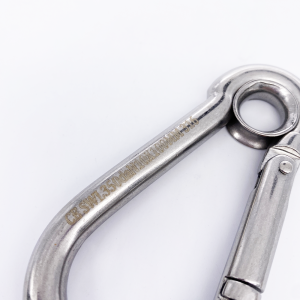
Eye snap hook - Stainless steel
8 reviews
€7.90
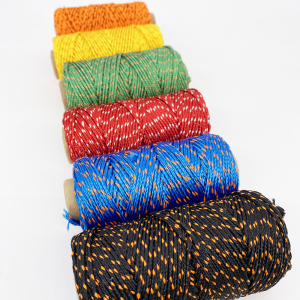
Polyester bicolor line
24 reviews
€5.90
You may also like
Corde torsadée, drisse, tresse, ganse : quelle signification ?
Ces termes désignent la spécificité du tressage et de la construction de la corde.
Corde naturelle, corde synthétique : quelles différences ?
À chaque corde ses spécificités et ses avantages.
We answer you
Which materials ?
- Polyamide (nylon) is the most suitable fiber for mooring lines. Highly elastic and resistant to abrasion, it effectively absorbs shocks caused by the boat’s movements. Its UV resistance is, however, slightly lower than that of polyester.
- Polyester is a durable alternative, known for its excellent resistance to UV and abrasion. Its lower elongation makes it less effective at absorbing shocks, but more suitable for stable mooring lines.
- Polyethylene, thanks to its floating properties, is useful for specific applications such as buoy pick-ups, temporary moorings or areas with propeller risk.
Three-strand or braided mooring line?
- Three-strand: more rigid, it is mainly appreciated for its ease of splicing, ideal for making loops or custom mooring lines.
- Braided: more flexible and comfortable to handle, it offers better comfort when maneuvers are frequent.
What length? What diameter?
- Diameter: boat length (in meters) + 4. Example: 6 m boat → recommended diameter: 10 mm
- Length: choose mooring lines measuring 2 to 3 times the length of the boat to maintain flexibility and effectively absorb loads.