
12
product(s)
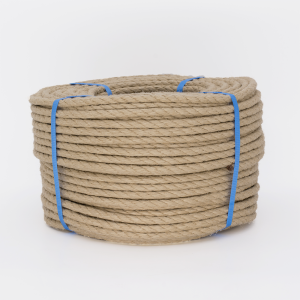
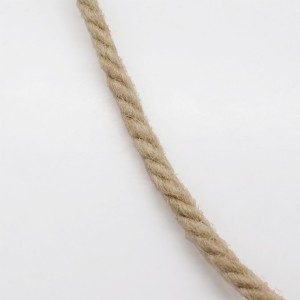
Synthetic hemp rope
341 reviews
€27.90
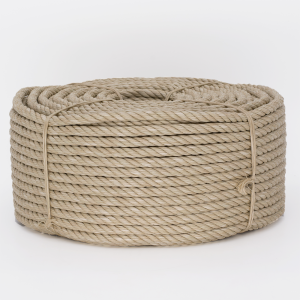
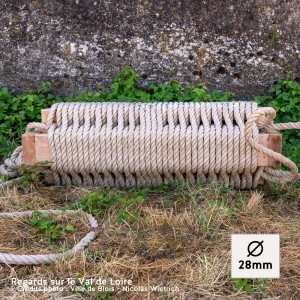
Polypropylene rope
155 reviews
€14.90
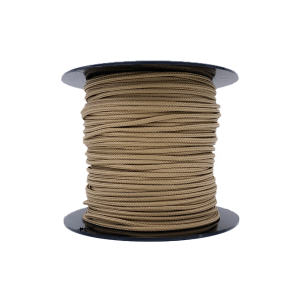
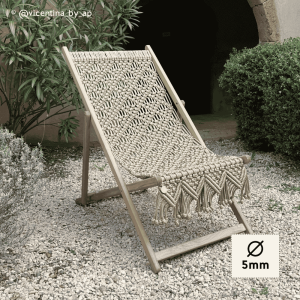
Polypropylene braid – Parallel core
42 reviews
€15.90
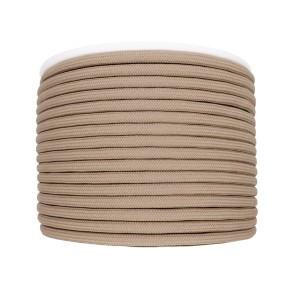
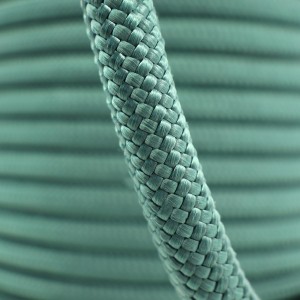
Polypropylene braid – Braided core
30 reviews
€48.90
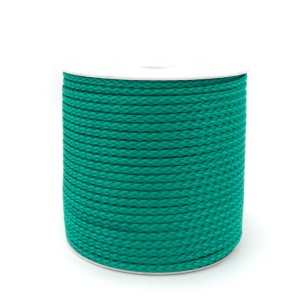
Hollow braid polypropylene cord
11 reviews
€8.00
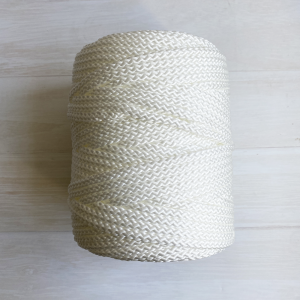
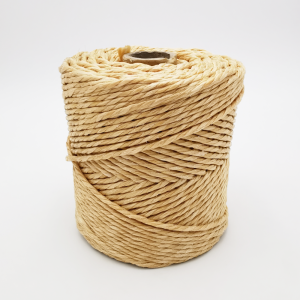
Polypropylene twine
9 reviews
€10.00
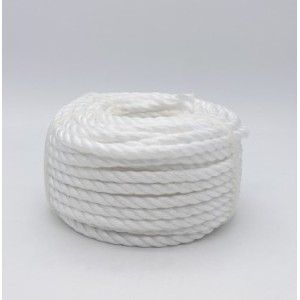
Food-safe rope
6 reviews
€5.90
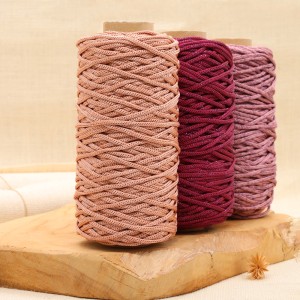
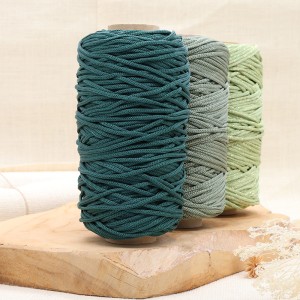
Braided synthetic yarn - Tuscany
8 reviews
€8.90
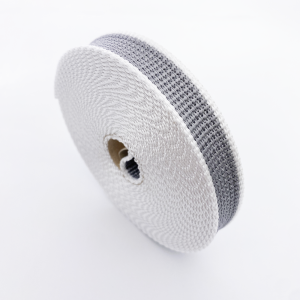
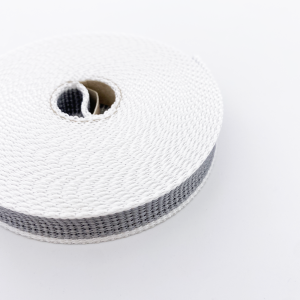
Polypropylene webbing
€9.50
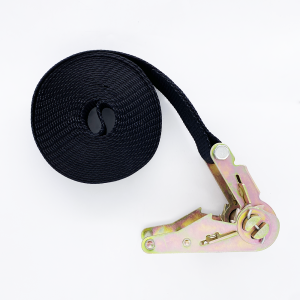
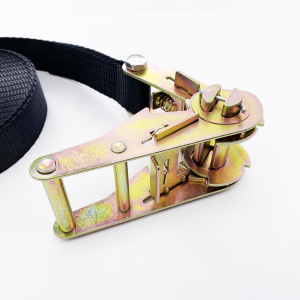
Ratchet luggage strap
€18.90
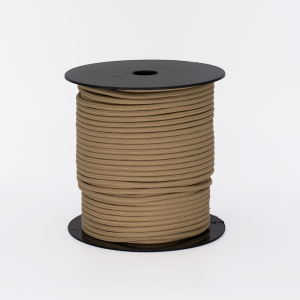
-25%
Polypropylene braid
1 review
€29.90
€22.43
We answer you
Polypropylene is the most economical and lightweight fibre. It has an excellent quality/price ratio for uses that do not require a rope with a high performance mechanical strength.
Polypropylene is floating and hydrophobic. It can be in permanent contact with water without degrading itself. It is resistant to moisture.
Density: 0.91
Polypropylene fiber has good UV resistance but it is still inferior to polyester and nylon.
For a better outdoor life, make sure that your polypropylene rope is treated against UV. All our polypropylene ropes are.
Polypropylene is resistant to mites, bacteria, strong acids and alkalis and ordinary solvents. It is sensitive to aromatic compounds. It dissolves in chlorinated solvents at high temperatures.